Independent data,
not a sales sheet.
Beck’s has run on-farm research since 1964, and none of it is commissioned by an equipment company. We collect the studies that speak to equipment decisions here, in their words, with links to every original.
Findings that inform equipment decisions
Filter by what you are working on. Every card opens the study summary, and every summary links back to Beck’s for the full research.
0 studies ·
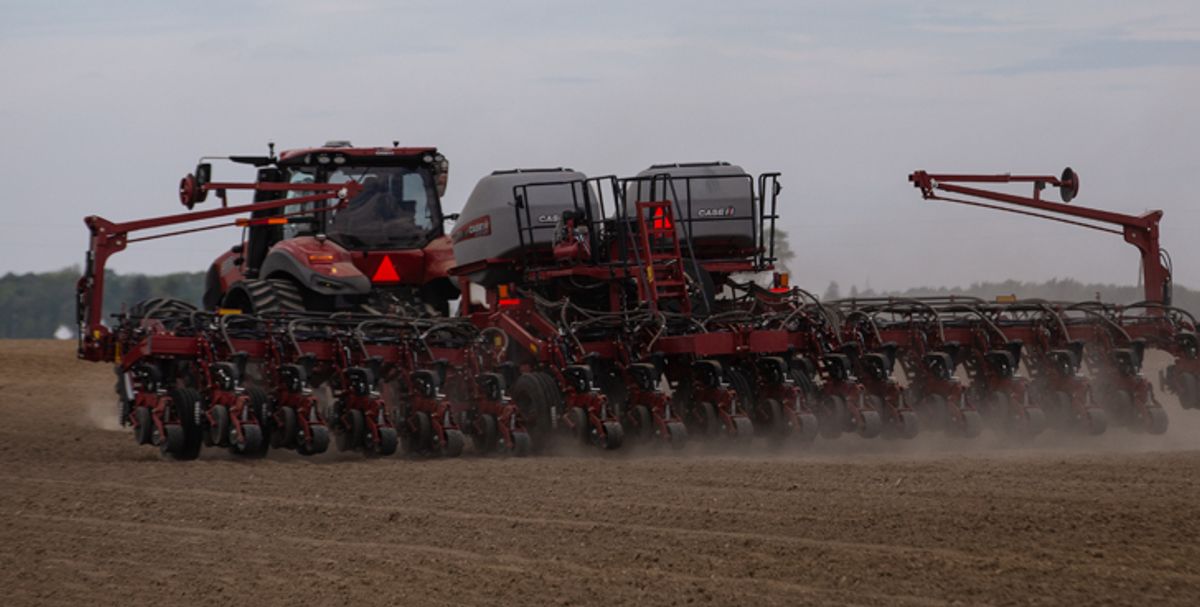
Corn Planter Showdown Study - Seed Size
Beck's put three of the industry's top planters to the test using Small Plateless and Large Round seeds to see if modern technology can maintain precision—and profit—rega…
Read the findings →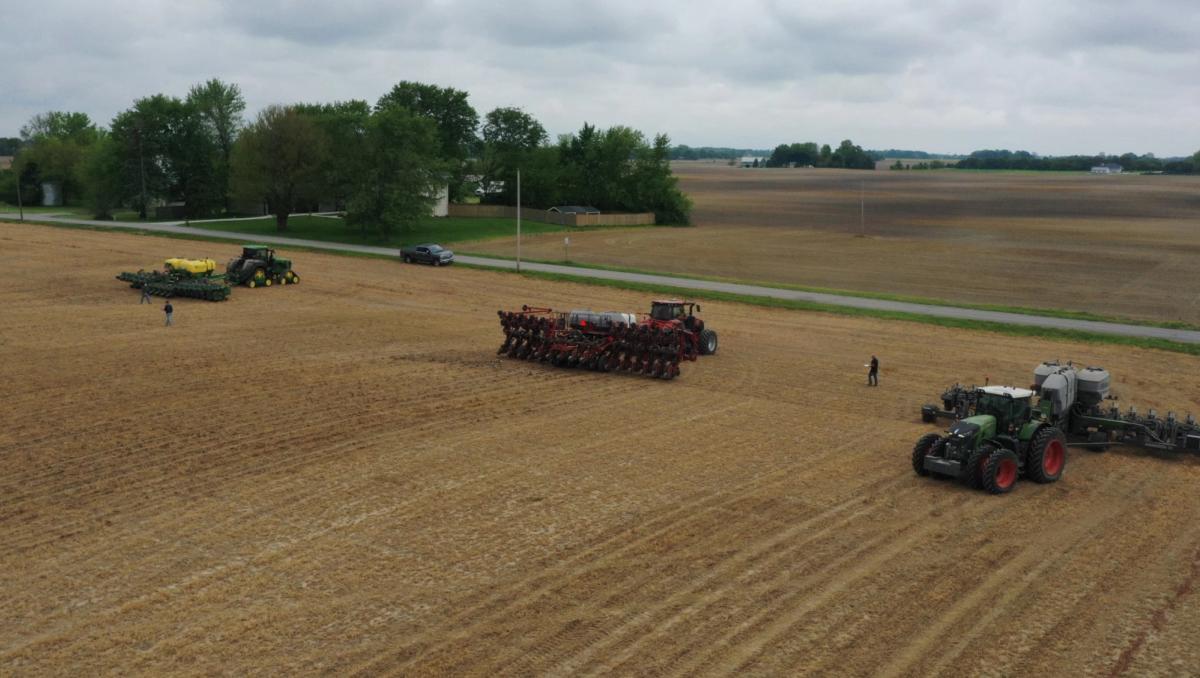
Corn Planter Showdown Study - Speed
In this study Beck's compares John Deere, Fendt, and Case IH planters 24-hour emergence and singulation numbers.…
Read the findings →
Soybean Targeted Spray Technology Study - See & Spray™ & SmartScript™ Weeds
The purpose of this study was to evaluate the herbicide savings and return on investment from targeted spray technologies, See & Spray™ Premium and SmartScript™ Weeds, co…
Read the findings →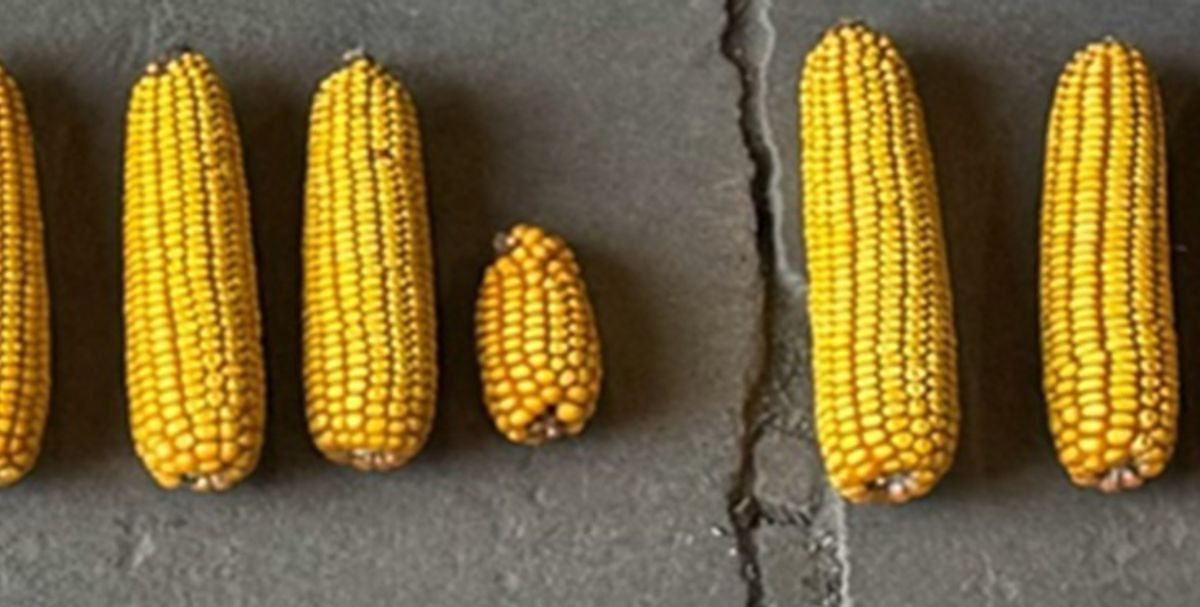
Corn Starter Fertilizer Systems Study - ExactShot™
The purpose of this study is to evaluate higher planting speeds, utilizing John Deere’s ExactShot™ and its effect on spacing, emergence, and yield.…
Read the findings →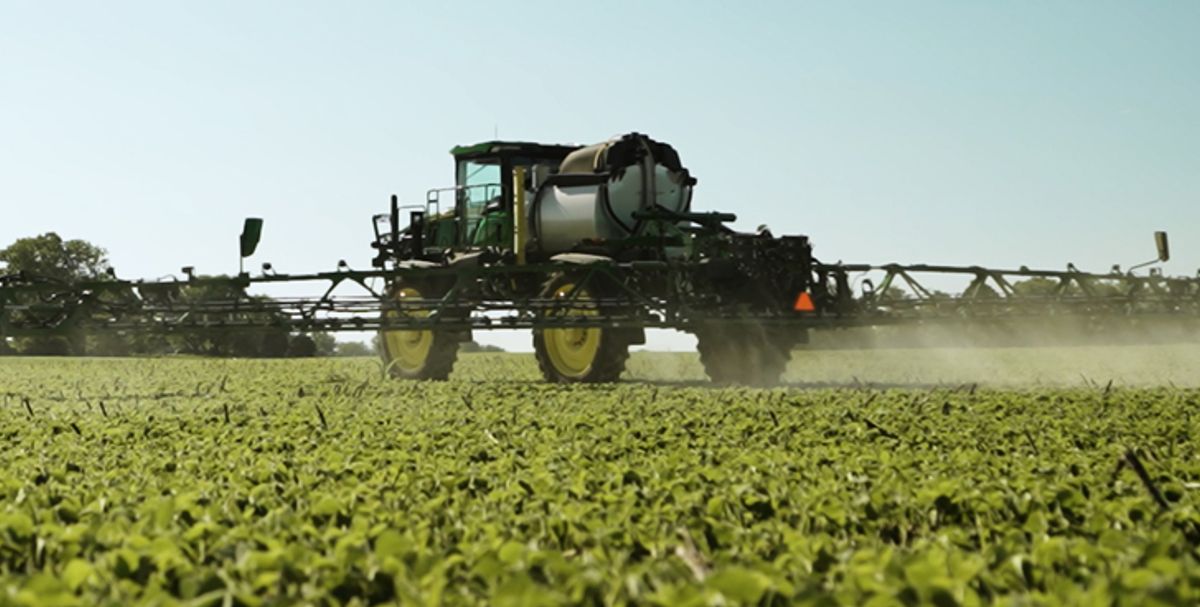
Soybean Sprayer Application Study - See & Spray™ Premium vs. Ultimate
The purpose of this study was to compare John Deere's See & Spray™ Premium and Ultimate application systems for their impact on herbicide savings, soybean yield, and over…
Read the findings →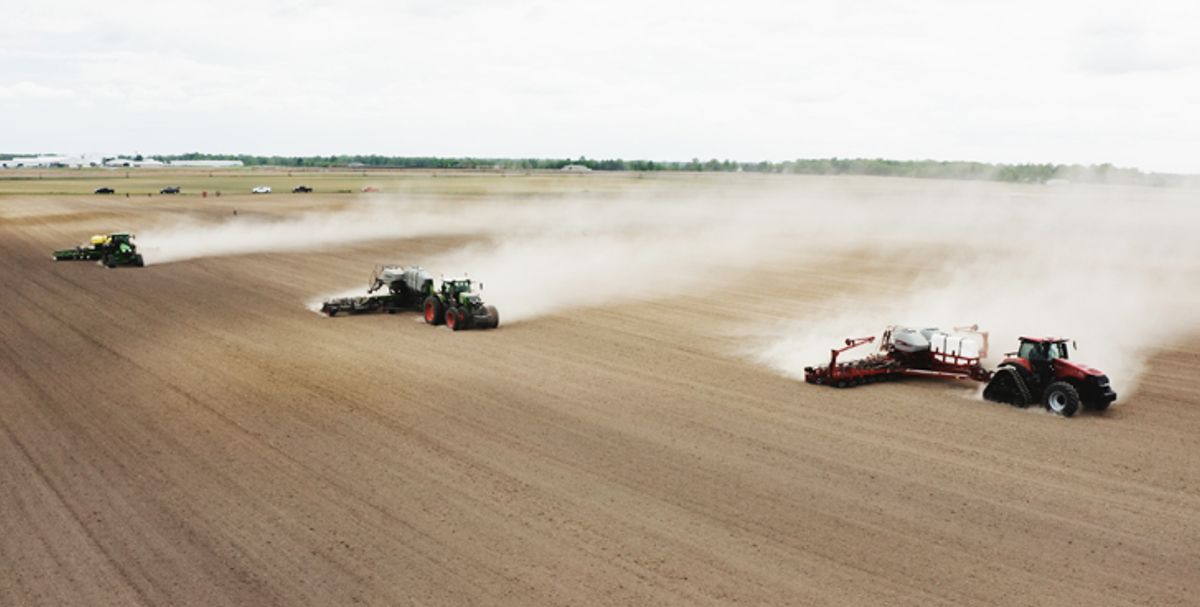
Soybean Planter Showdown - Speed
The purpose of this study was to compare the performance of three popular planter makes and models on soybean yield and stand establishment when planted at different spee…
Read the findings →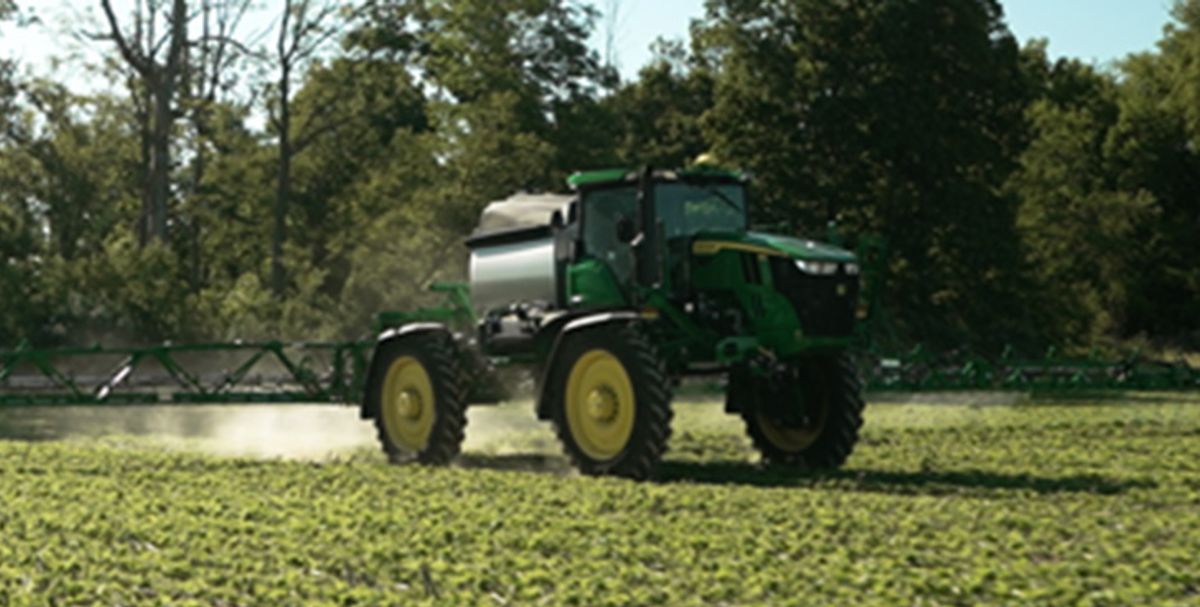
Multi-Location Soybean Sprayer Application Study See & Spray™
The purpose of this study is to evaluate sprayer applications with John Deere's See and Spray™ technology.…
Read the findings →
Multi-Location Corn Nitrogen Rate Study 2X2X2
The purpose of this study is to determine the Economic Optimum Nitrogen Rate (EONR) when applying 60 units of nitrogen (N) in a 2x2x2 application at planting and the rema…
Read the findings →
Multi-Location Soybean Bio-Stimulant Study In-Furrow
The purpose of this study is to evaluate various bio-stimulant products applied in-furrow and their effects on yield and profitability. …
Read the findings →
Multi-Location Soybean Residue Management Study Fall Application
The purpose of this study is to evaluate various residue management products applied in the fall and their impact on residue breakdown, yield, and return on investment. …
Read the findings →
Multi-Location Soybean In-Furrow Product Study
The purpose of this study is to evaluate various products applied in-furrow and their effects on yield and profitability. …
Read the findings →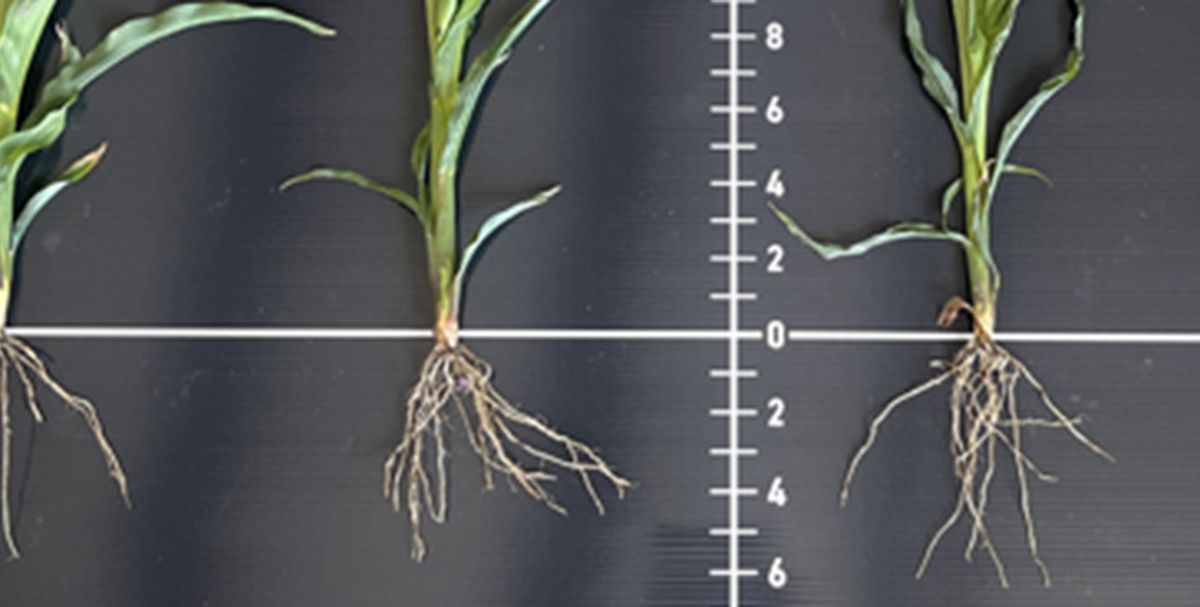
Multi-Location Corn Starter Fertilizer Study Replant
The purpose of this study is to evaluate planter-applied starter fertilizer programs in a replant situation. …
Read the findings →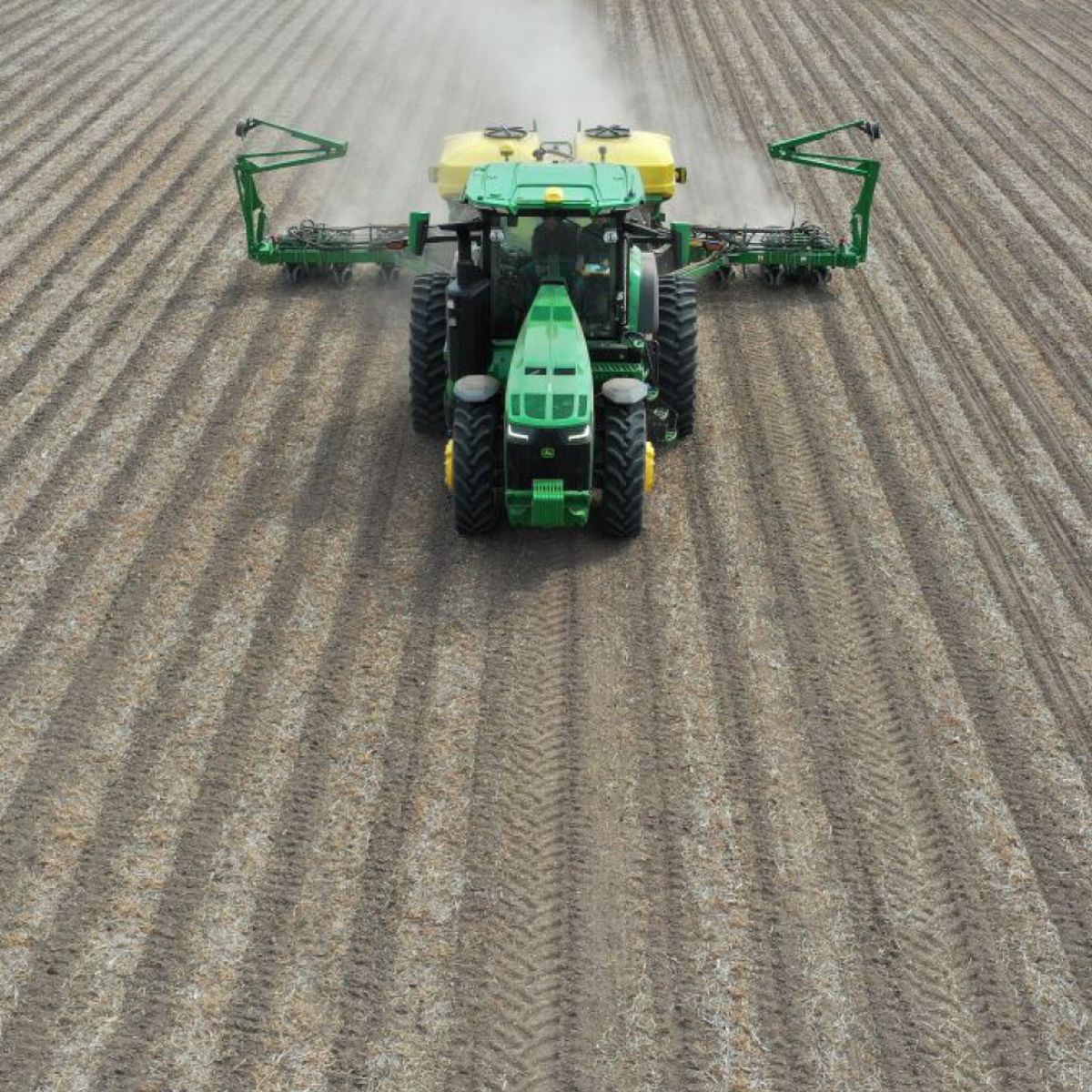
On-Farm Corn Planting Speed Study - ExactEmerge™
The purpose of this study is to evaluate higher planting speeds, utilizing John Deere’s ExactEmerge™ and its effect on spacing, emergence, and yield.…
Read the findings →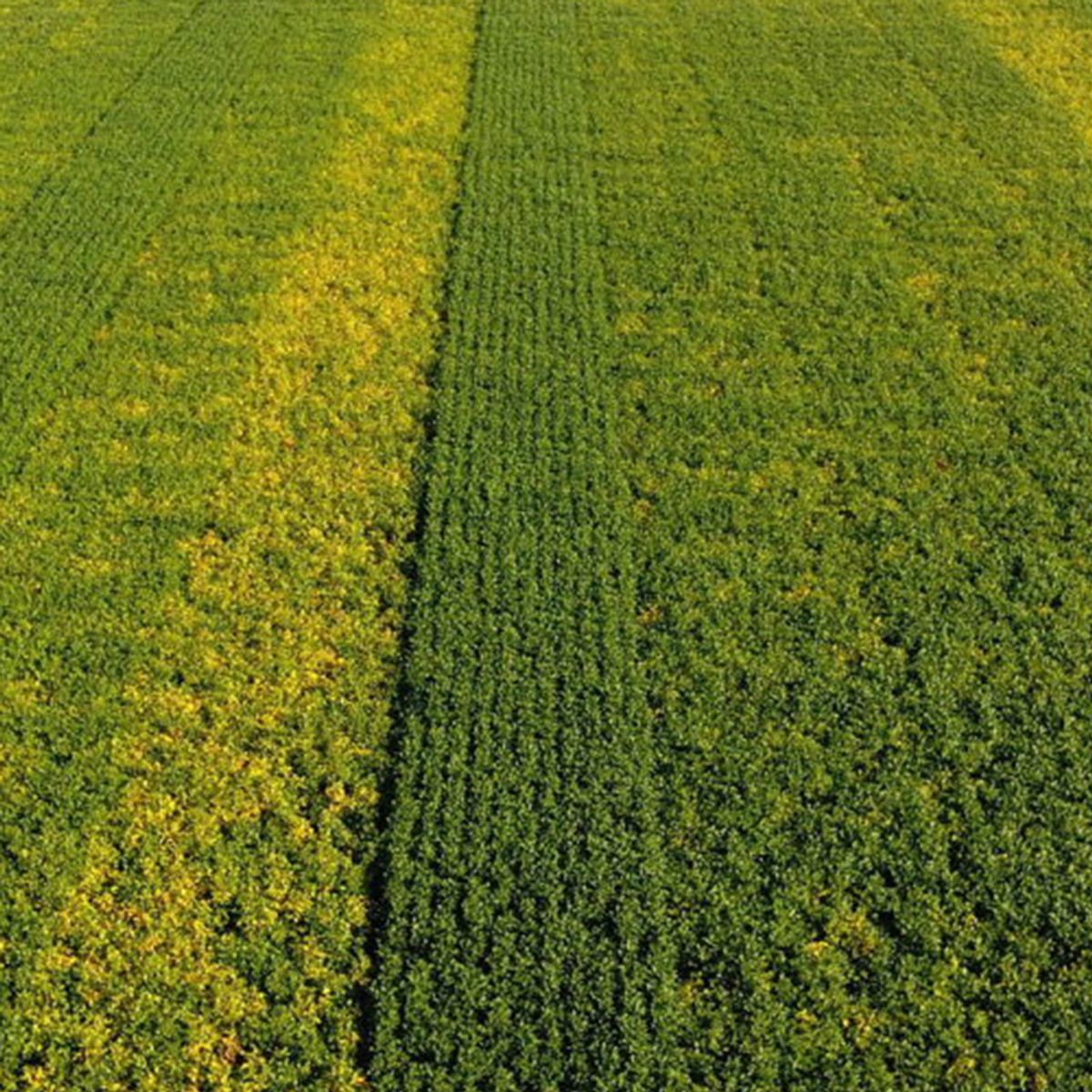
Ohio Soybean Replant Study - Spotting In
The purpose of this study is to determine the economic benefit of spotting in a stand with a 15 in. row planter vs. replanting completely or keeping the original stand.…
Read the findings →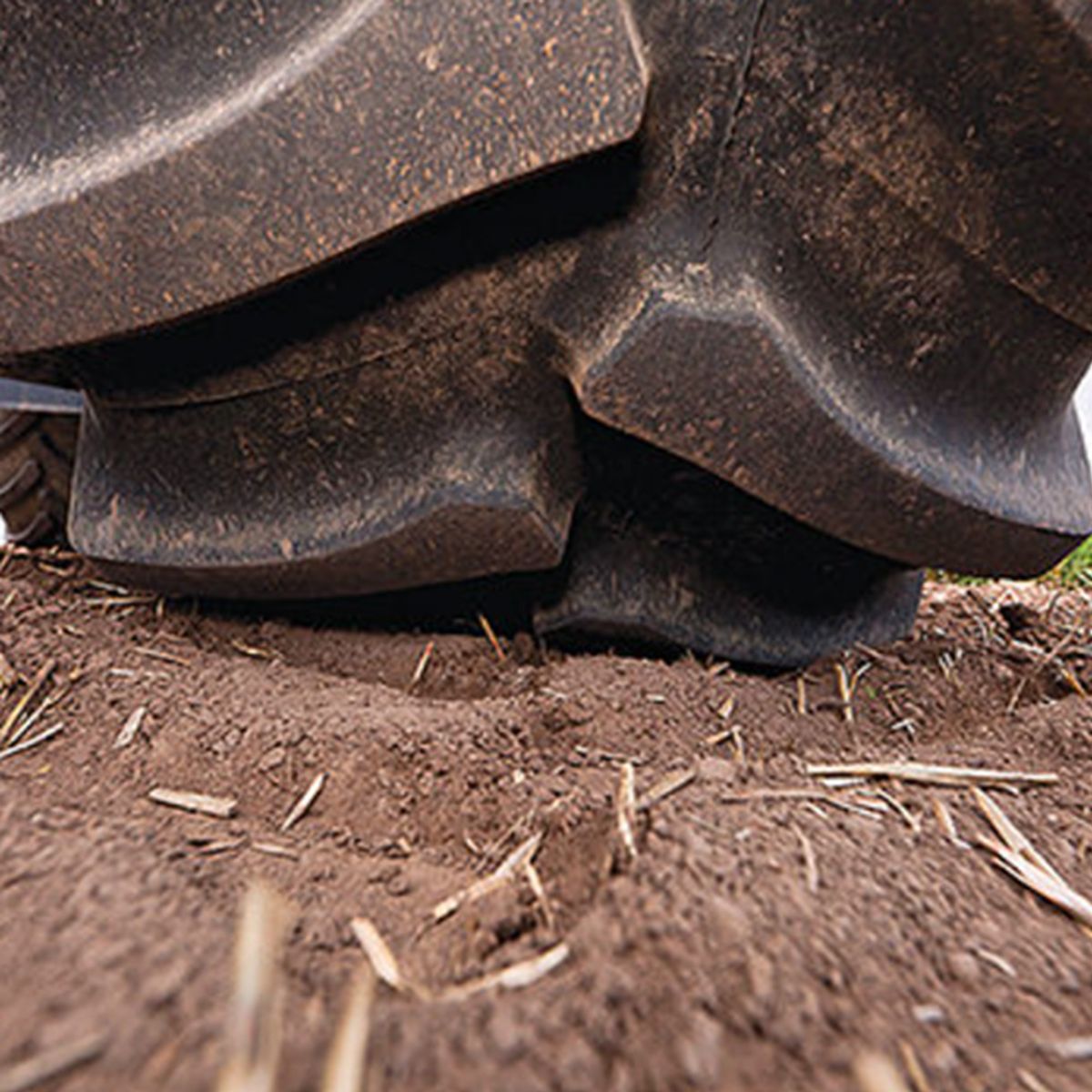
Indiana Soybean Tire Pressure Study - Planter Tractor
The purpose of this study is to determine the impact tire pressure has on crop development, yield, and return on investment.…
Read the findings →
Indiana Corn Tire Pressure Study - Planter Tractor
The purpose of this study is to determine the impact tire pressure has on crop development, yield, and profitability.…
Read the findings →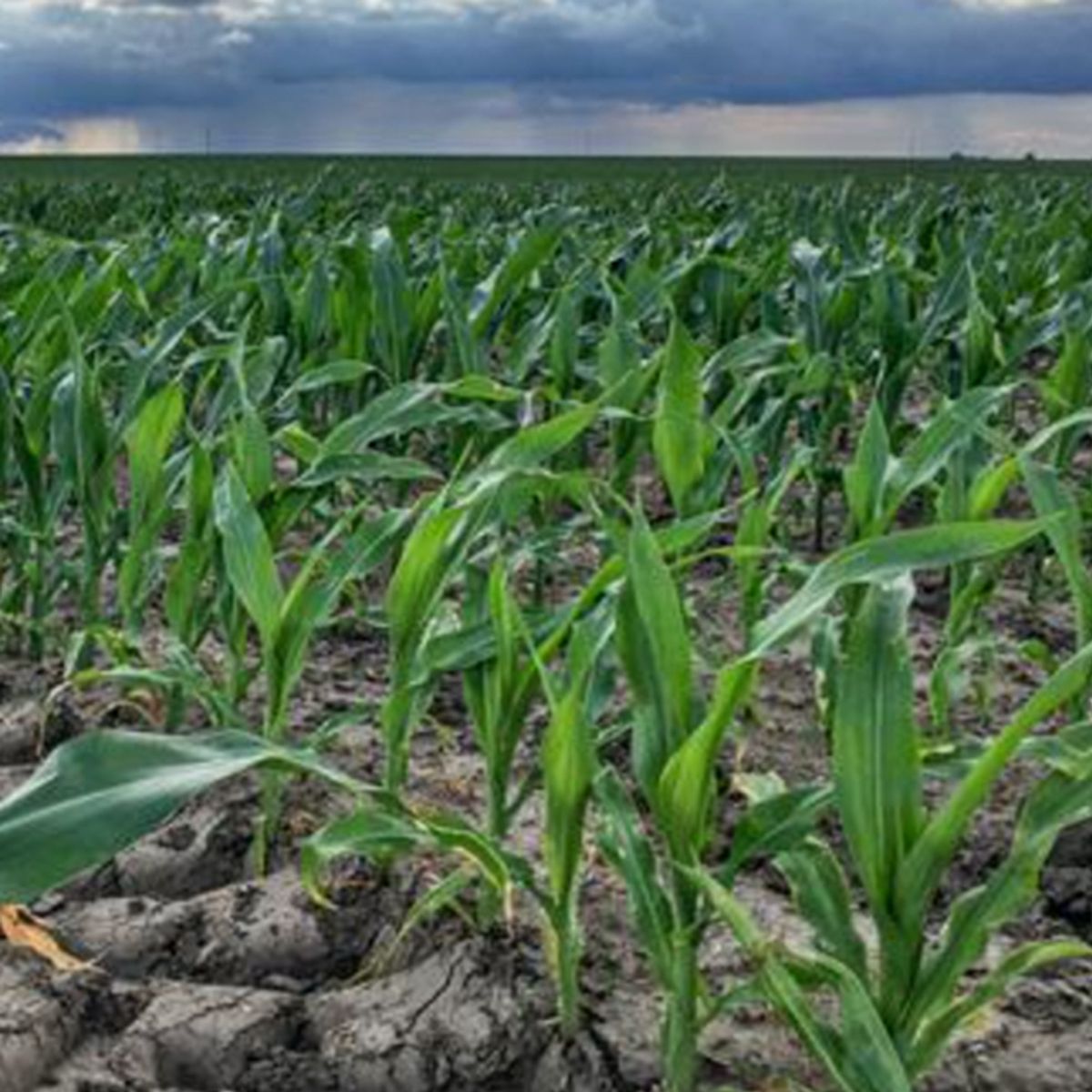
Indiana Corn Biological Additive Study - In-Furrow
The purpose of this study is to evaluate biological stimulants in-furrow and their effect on yield and profitability.…
Read the findings →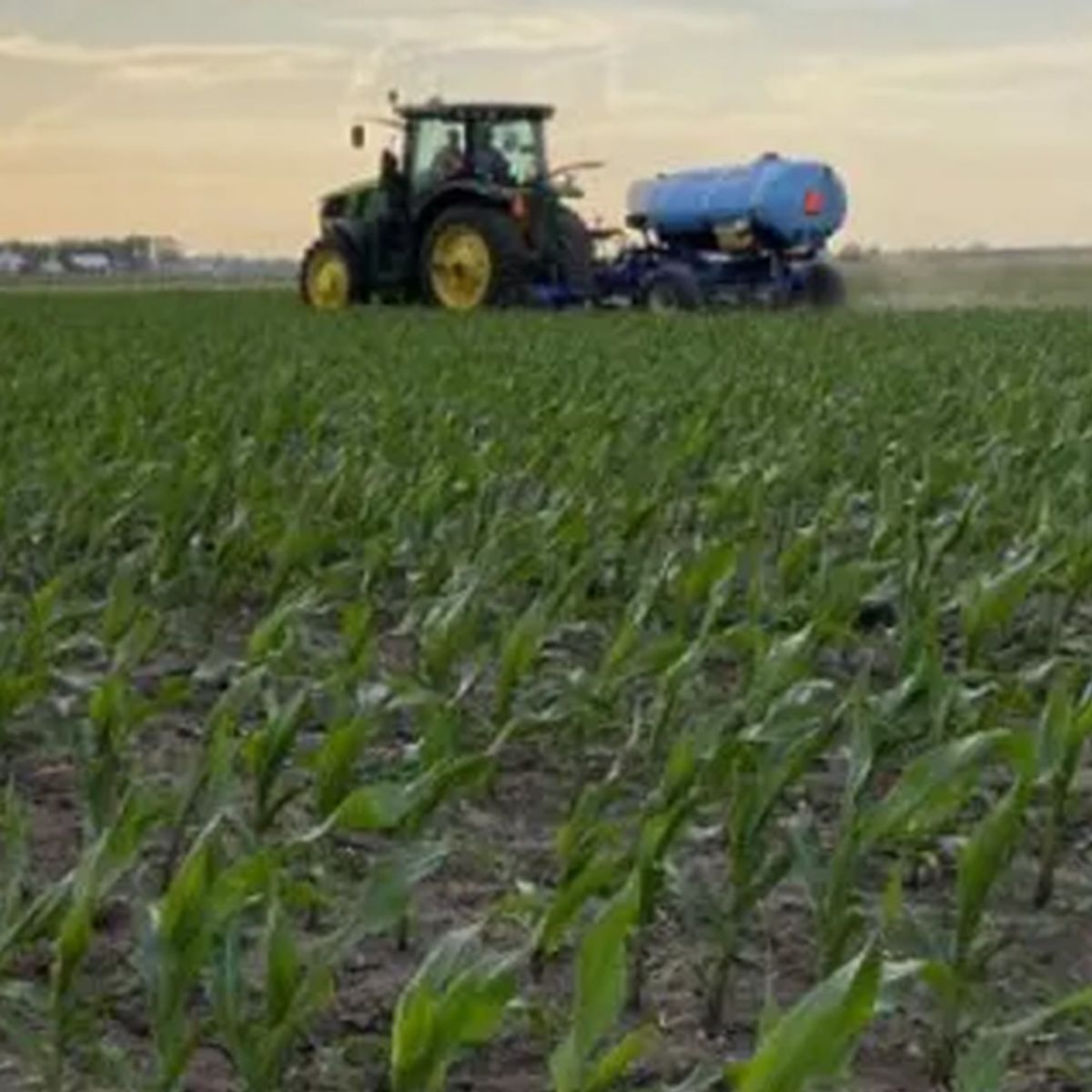
Ohio Corn Sidedress Depth Study
The purpose of this study is to evaluate different sidedress depths and their impact on yield.…
Read the findings →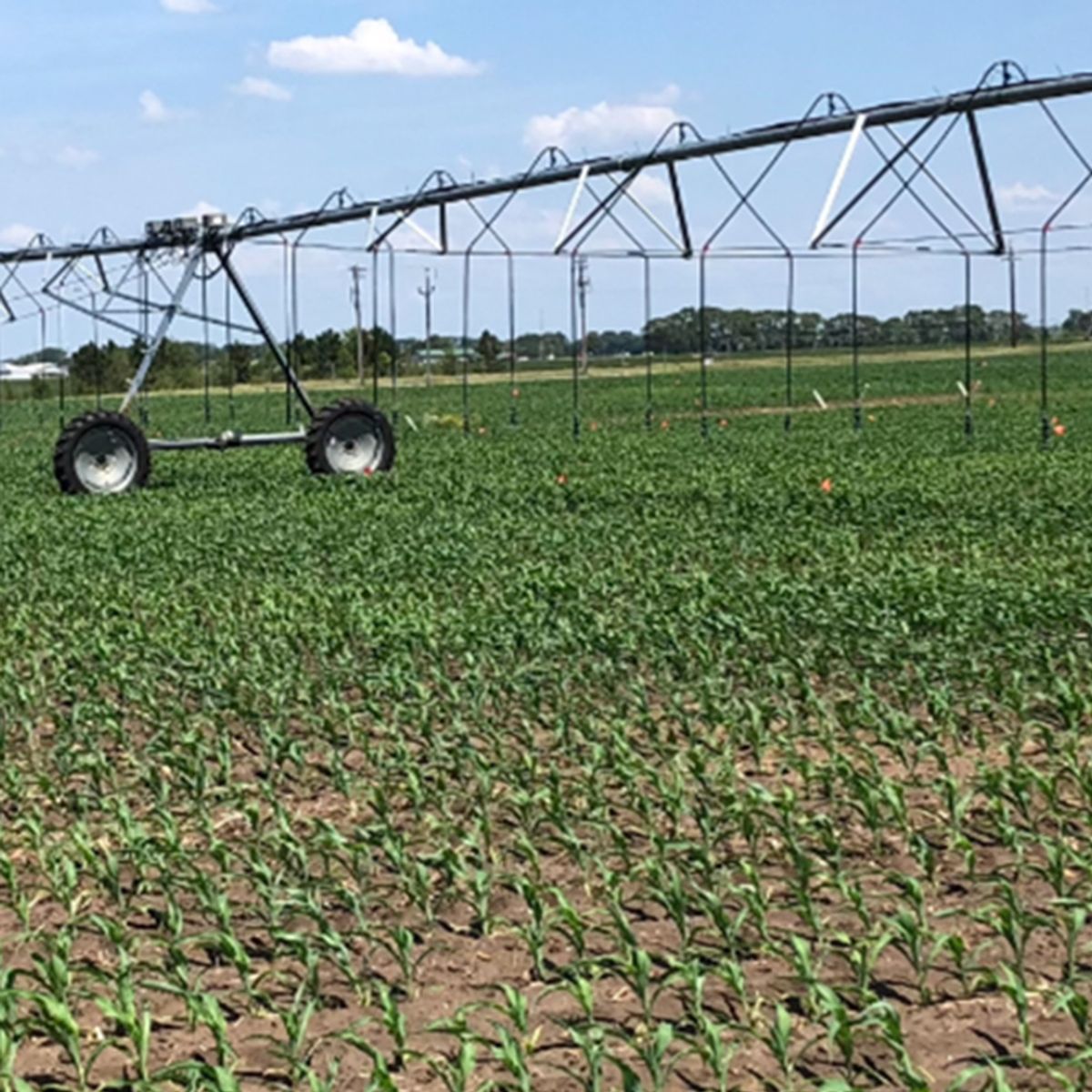
Indiana Corn Nitrogen Management Study - Drip-Irrigation
The purpose of this study is to evaluate utilizing a drip-irrigation system to apply nitrogen and sulfur compared to Beck's standard sidedress application.…
Read the findings →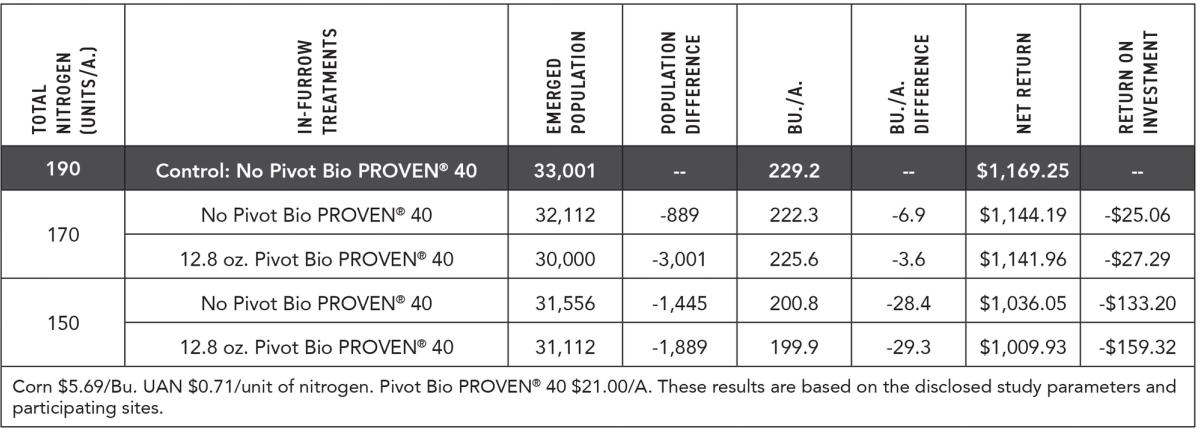
Ohio Corn Nitrogen Efficiency Study - Pivot Bio PROVEN® 40
The purpose of this study is to evaluate Pivot Bio PROVEN® 40, applied in-furrow, and its impact on nitrogen use efficiency, yield, and profitability.…
Read the findings →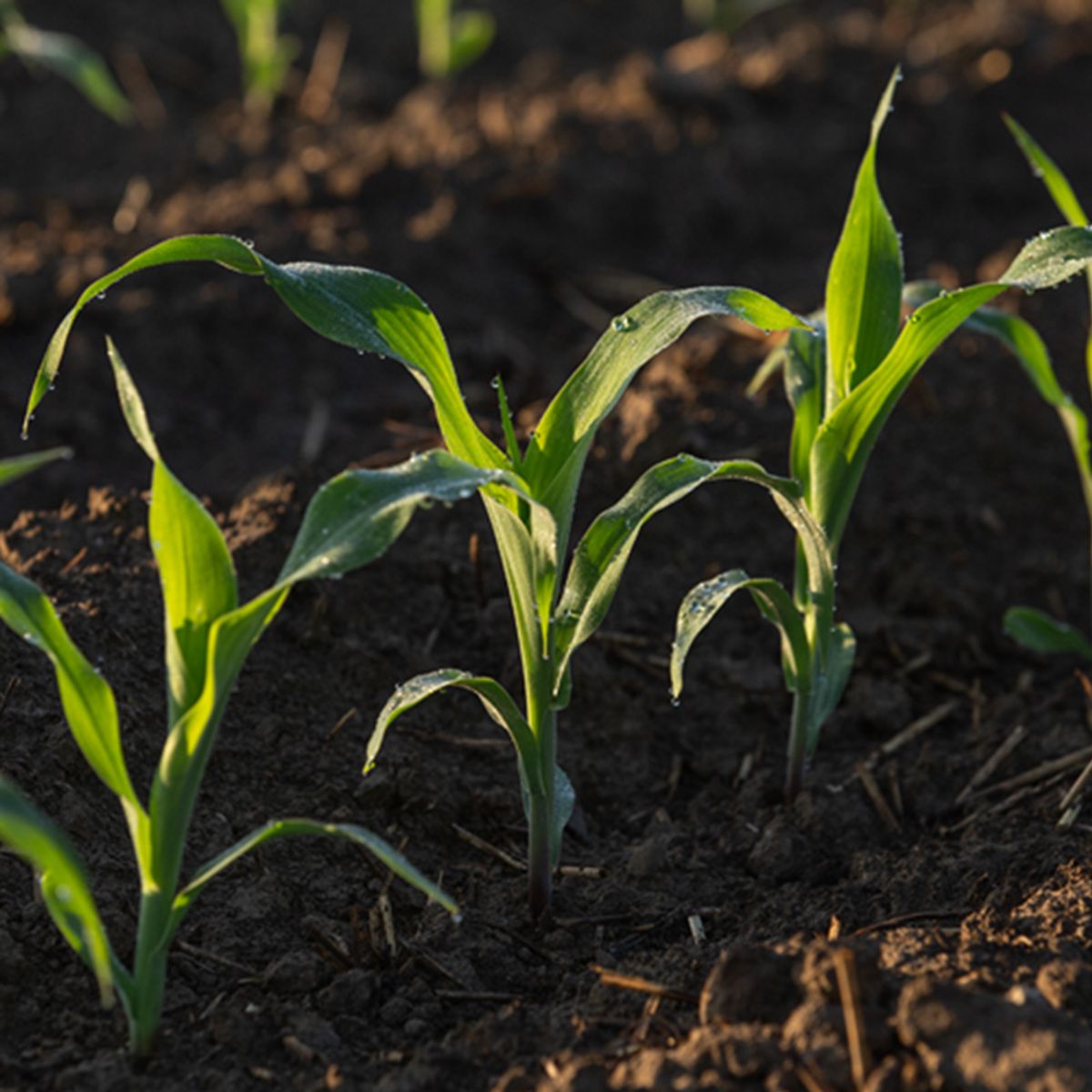
Ohio Corn Starter Additive Study - In-Furrow
The purpose of this study is to evaluate various starter additive products, applied in-furrow, and their effects on yield and profitability.…
Read the findings →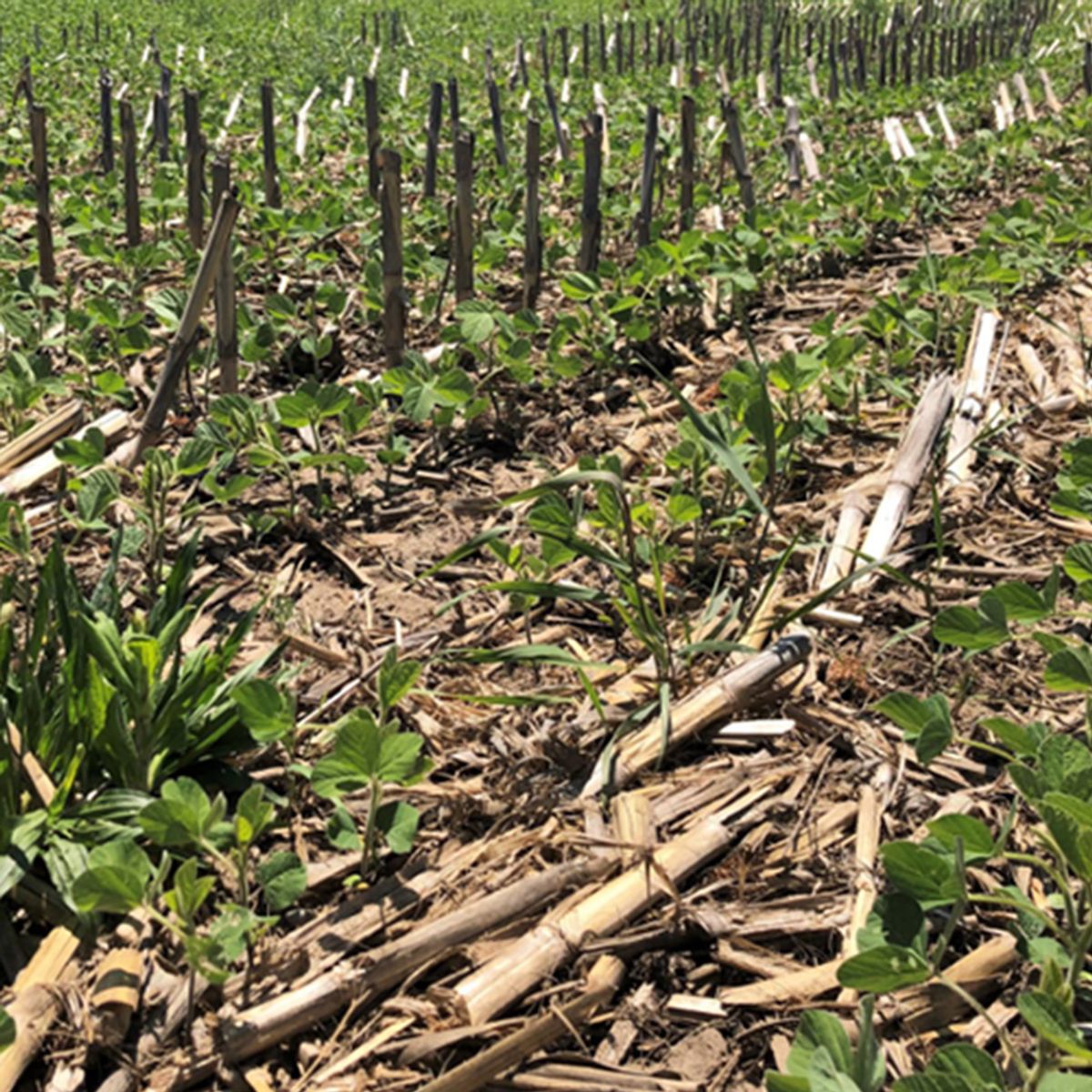
Indiana Soybean Tillage Study - Soybeans-After-Corn
The purpose of this study is to evaluate the yield differences between different tillage practices in a soybean-after-corn rotation.…
Read the findings →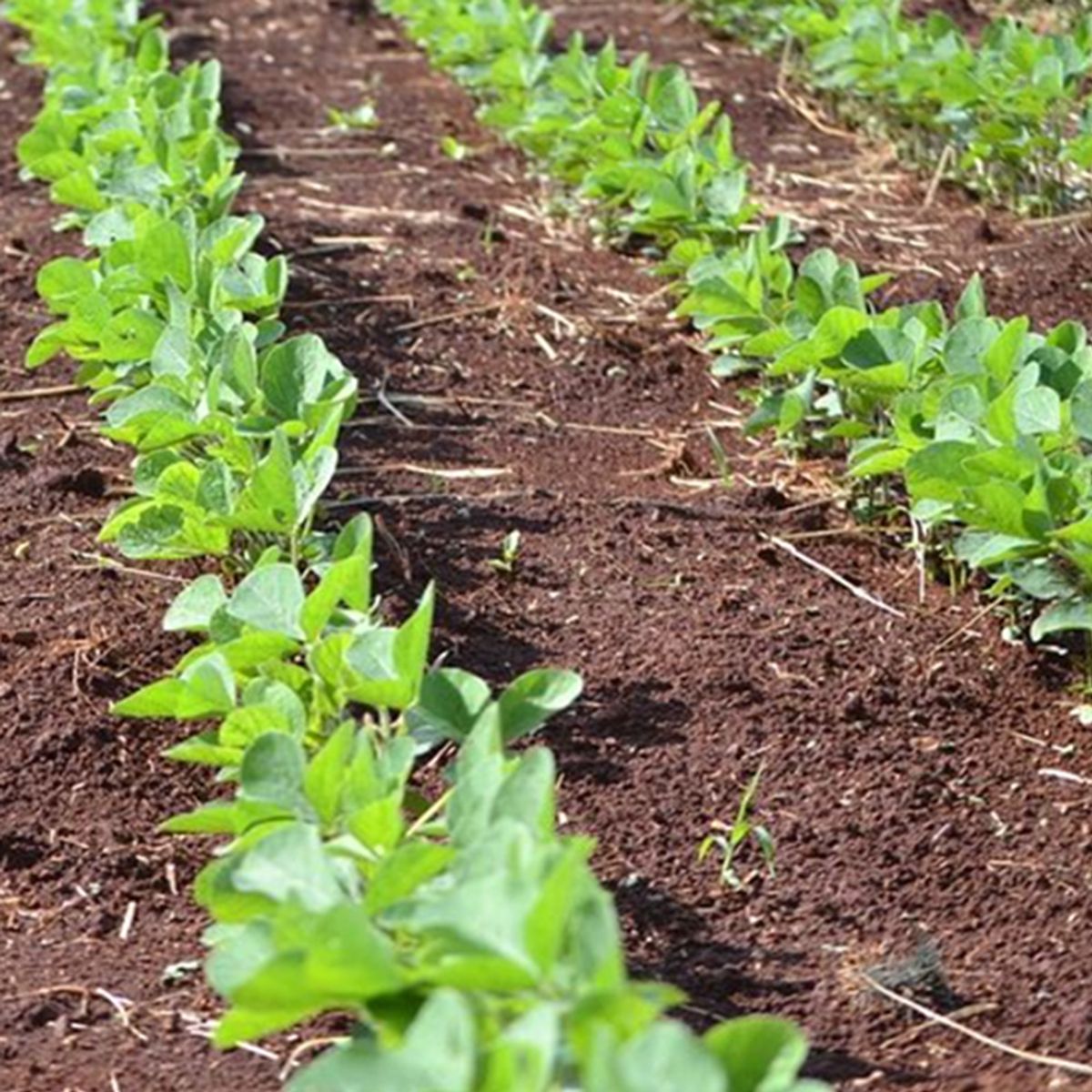
Indiana Soybean Residue Management Study - Spring Application
The purpose of this study is to evaluate various residue management products applied in the spring and their effect on residue breakdown, yield, and return on investment.…
Read the findings →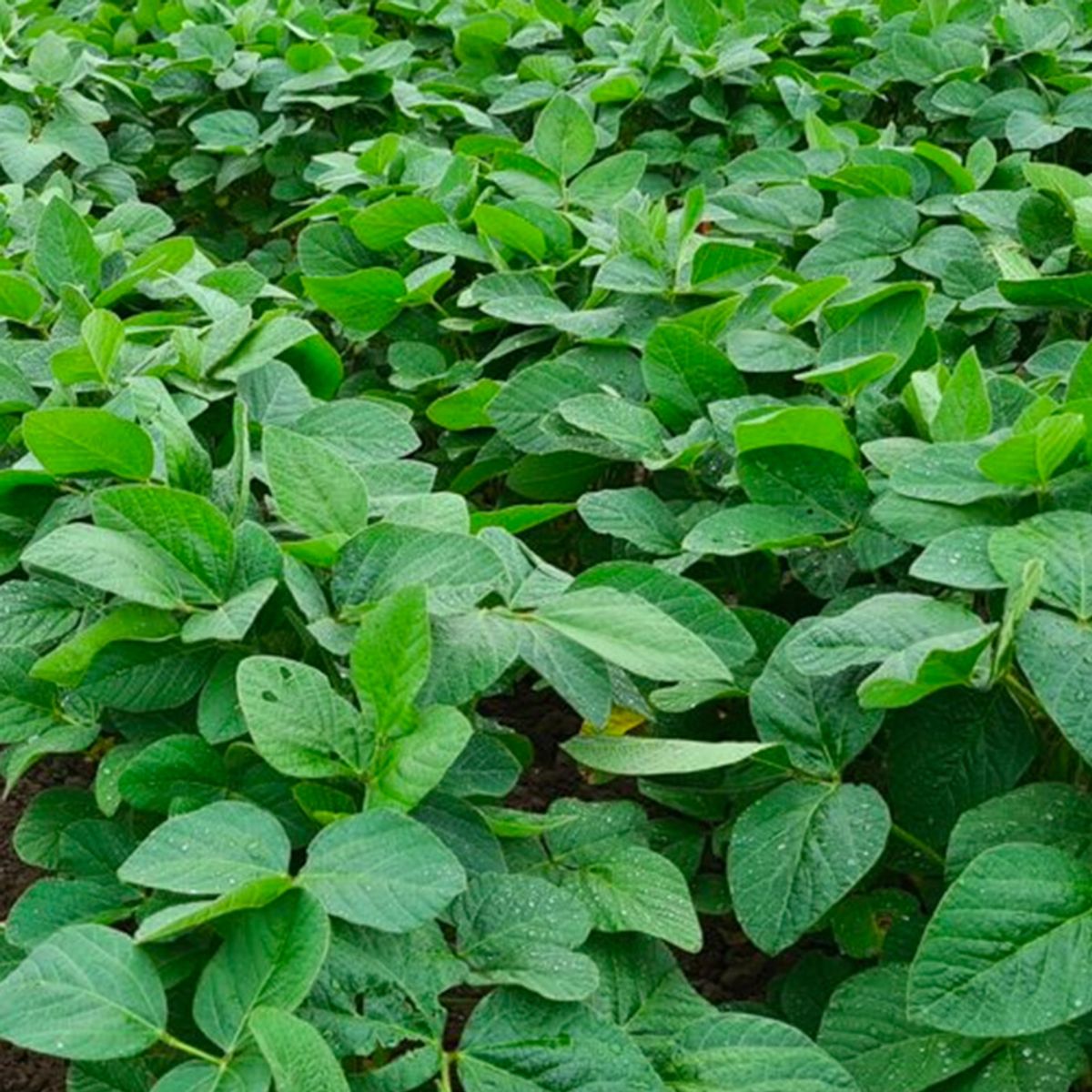
Ohio Soybean Desiccation Study
The purpose of this study is to evaluate different desiccant products and their effect on harvestability, yield, and profitability.…
Read the findings →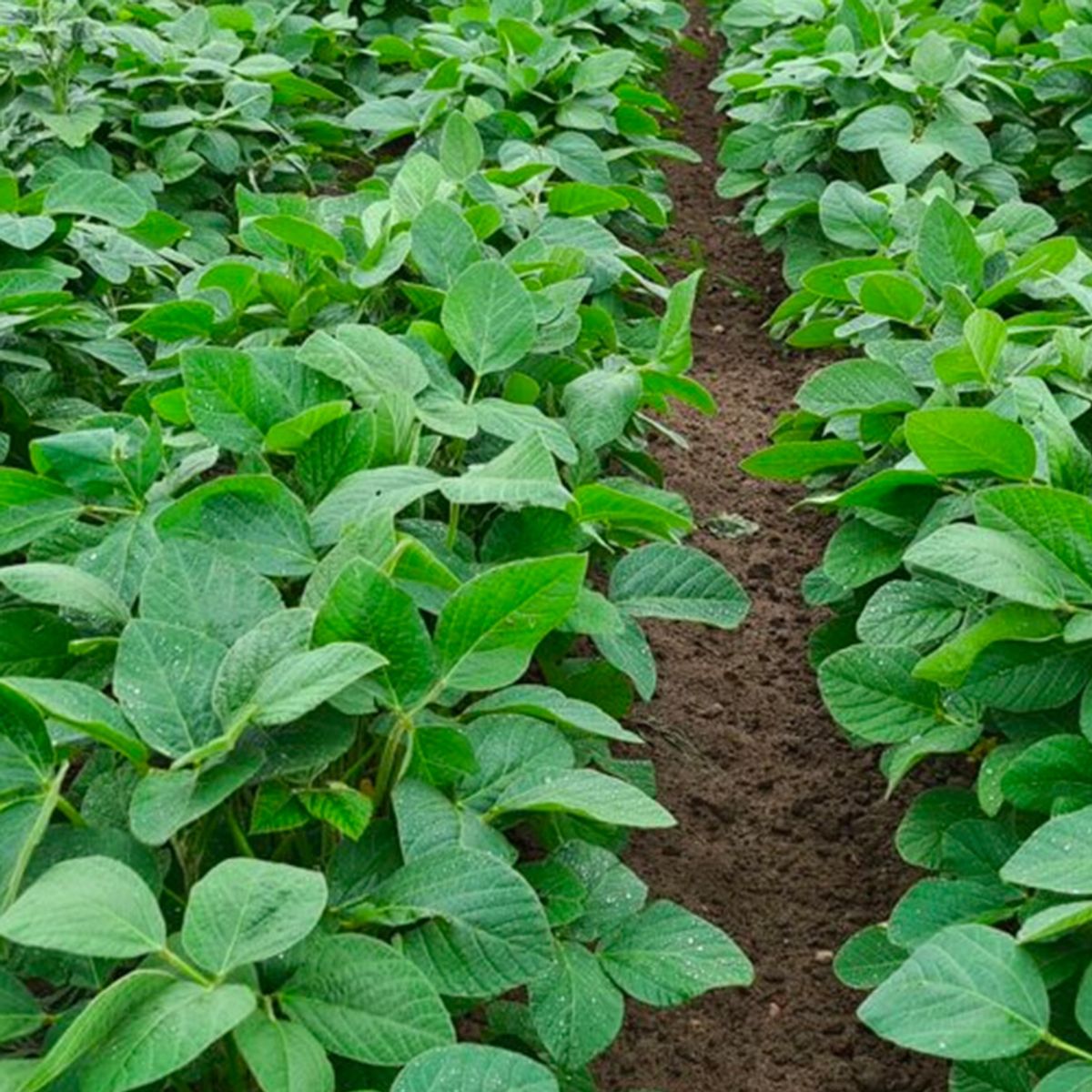
Ohio Soybean Residue Management Study - Spring Application
The purpose of this study is to evaluate various residue management products applied in the spring and their effect on residue breakdown, yield, and return on investment.…
Read the findings →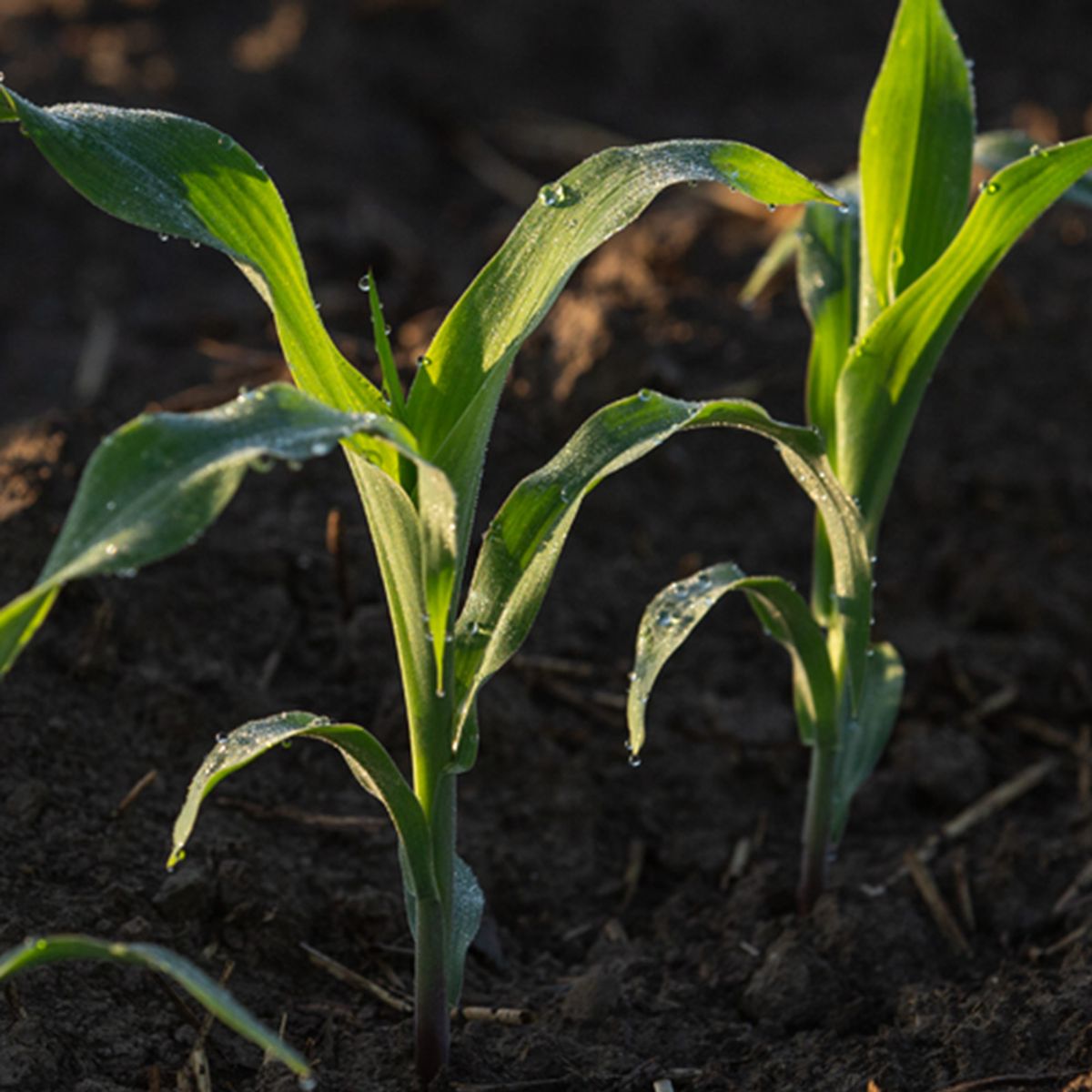
Ohio Corn Starter Fertilizer Systems Study - 2x2x2 vs. In-Furrow
The purpose of this study is to evaluate in-furrow and 2x2x2 starter fertilizer and their effect on yield and profitability.…
Read the findings →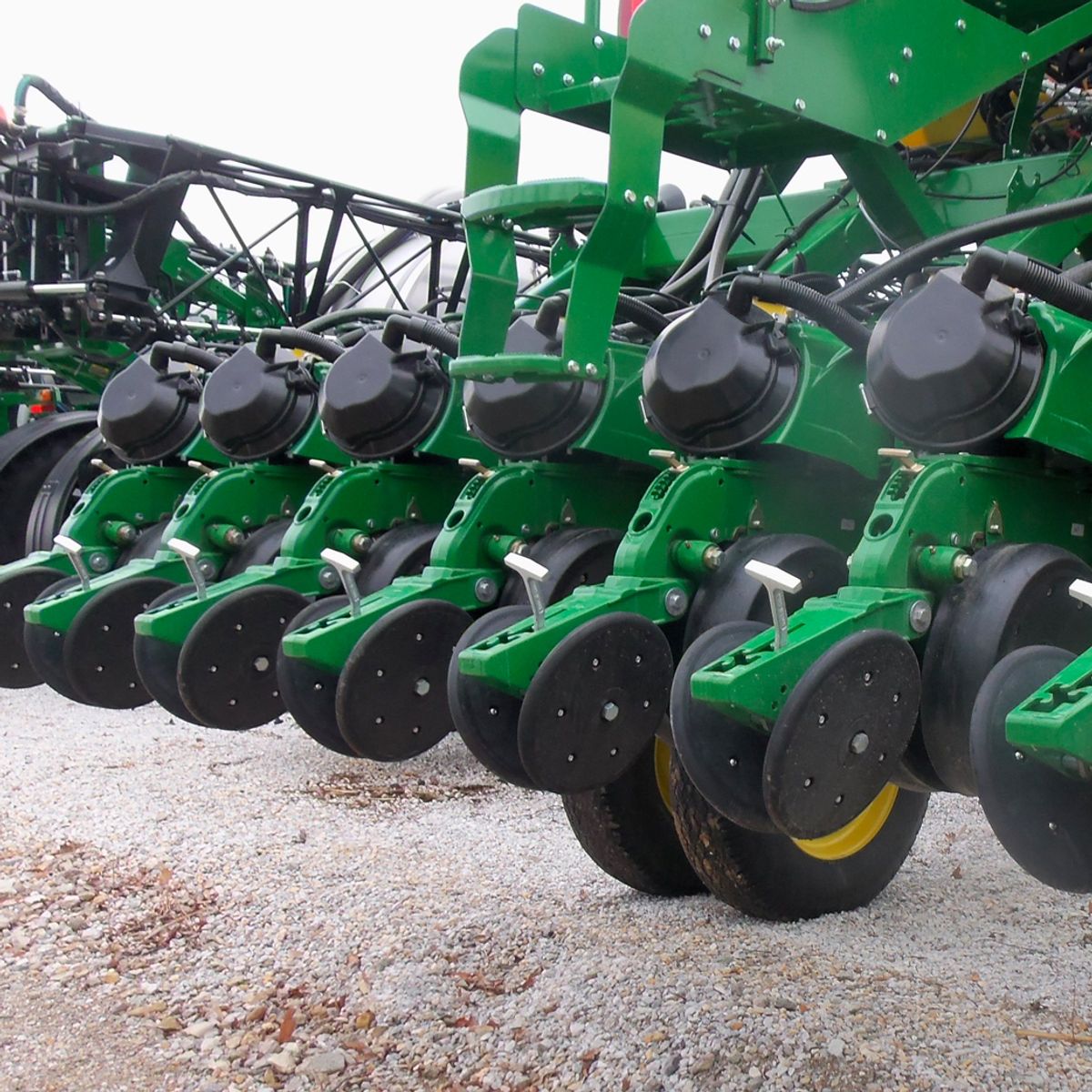
On-Farm Corn Speed vs. Downforce Study - ExactEmerge™
The purpose of this study is to evaluate higher planting speeds, utilizing John Deere’s ExactEmerge™ and its effect on spacing, emergence, and yield.…
Read the findings →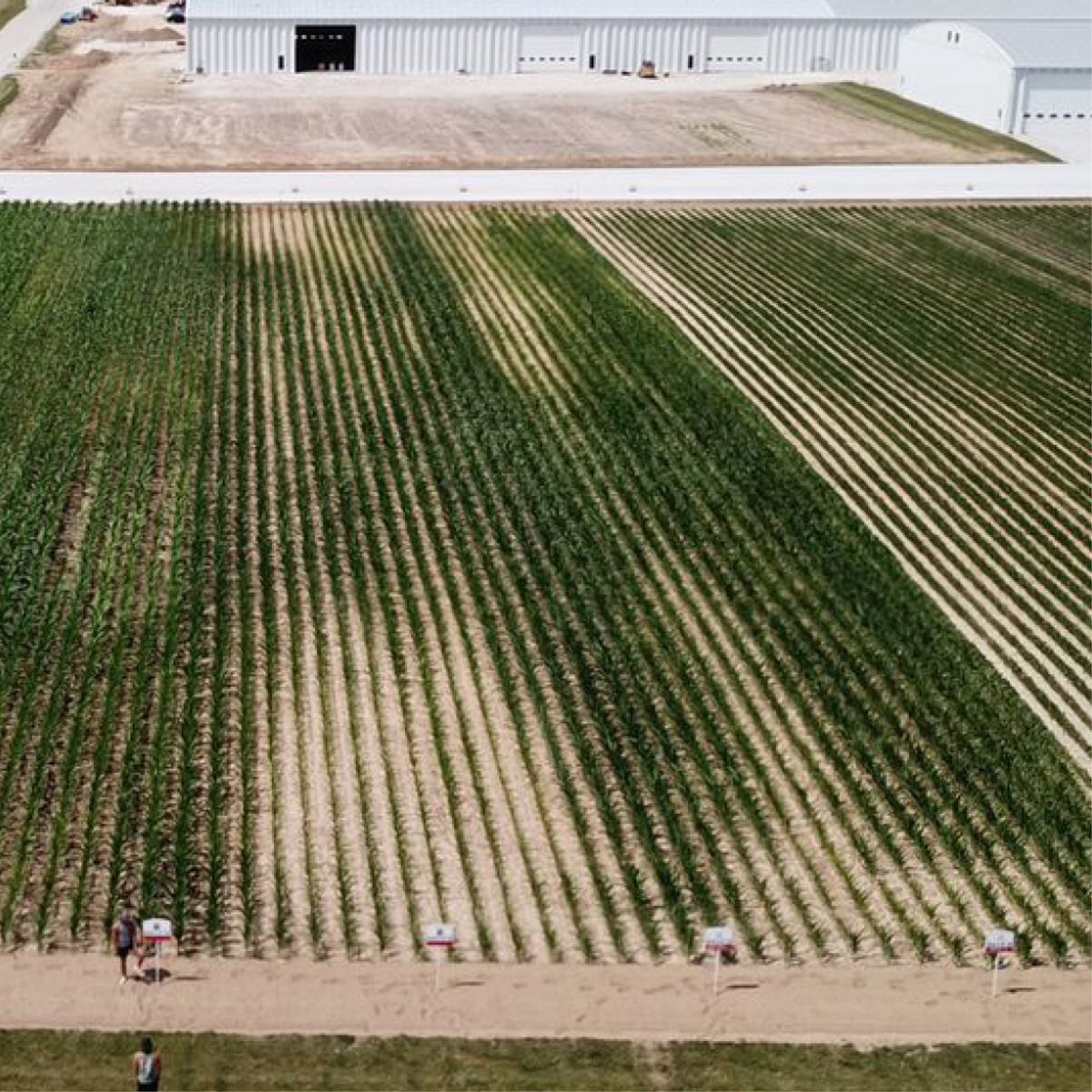
Indiana Corn Tillage Study - Corn-After-Corn
The purpose of this study is to evaluate the yield differences between different tillage practices in a corn after-corn rotation.…
Read the findings →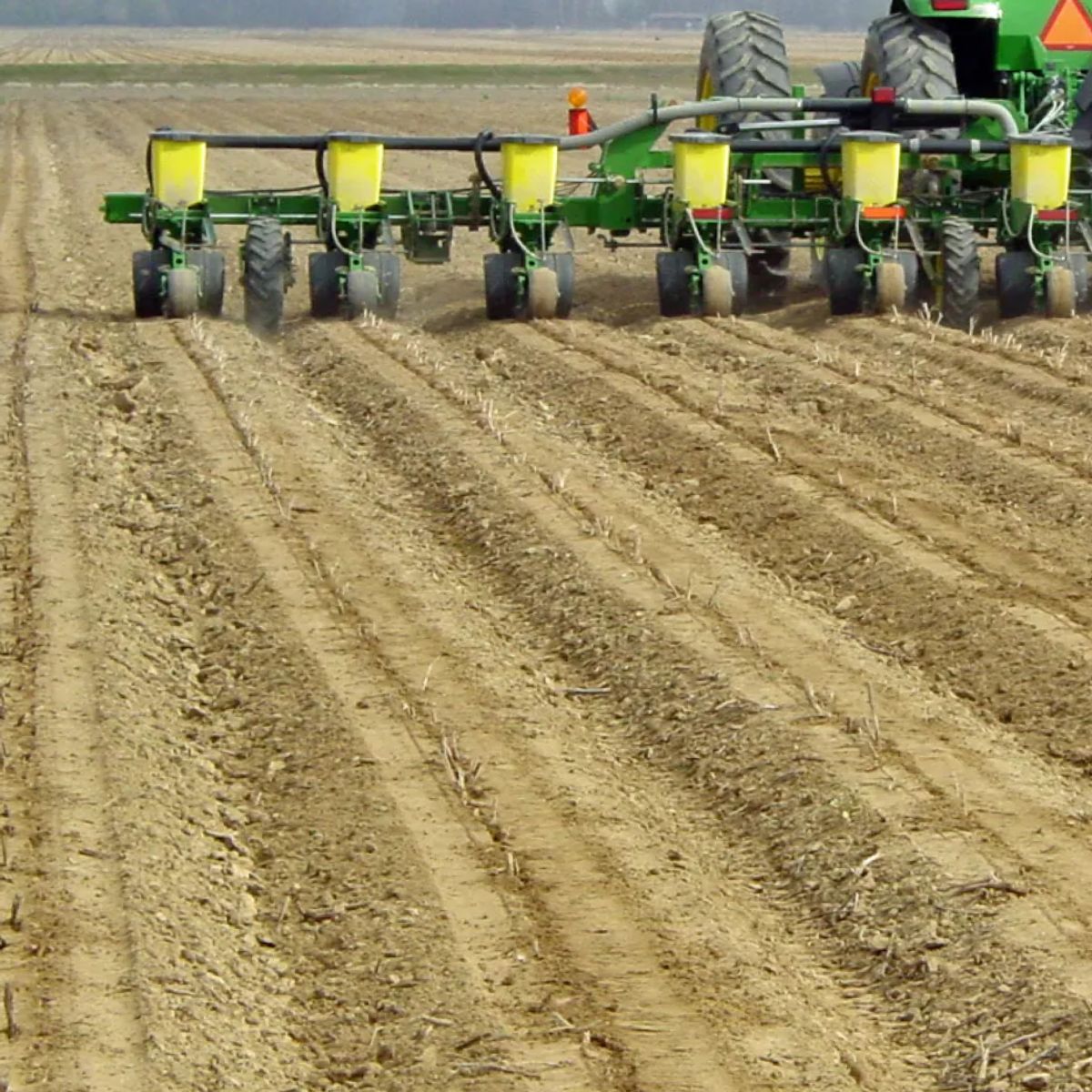
Indiana Corn Planting Date Study - Population Response
The purpose of this study is to determine the Economic Optimum Seeding Rate (EOSR) relative to planting dates and if planting populations should be adjusted when planting…
Read the findings →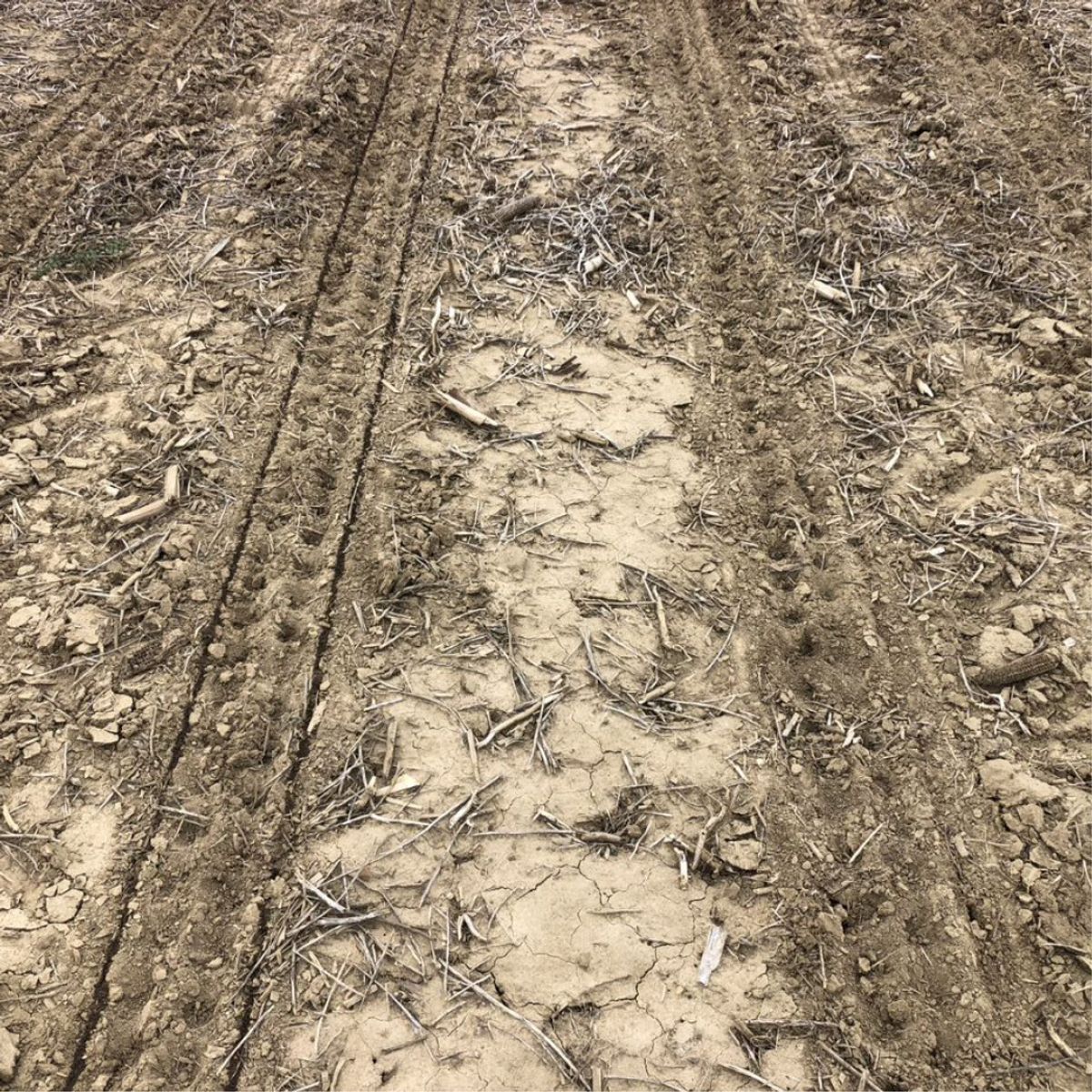
Ohio Corn Nitrogen Placement Study - 2x2x2 vs. Dribble
The purpose of this study is to compare nitrogen placement with the planter (on top vs. in the ground) and its impact on yield and profitability.…
Read the findings →
Ohio Corn Planting Date Study - Population Response
The purpose of this study is to determine the Economic Optimum Seeding Rate (EOSR) relative to planting dates and if planting populations should be adjusted when planting…
Read the findings →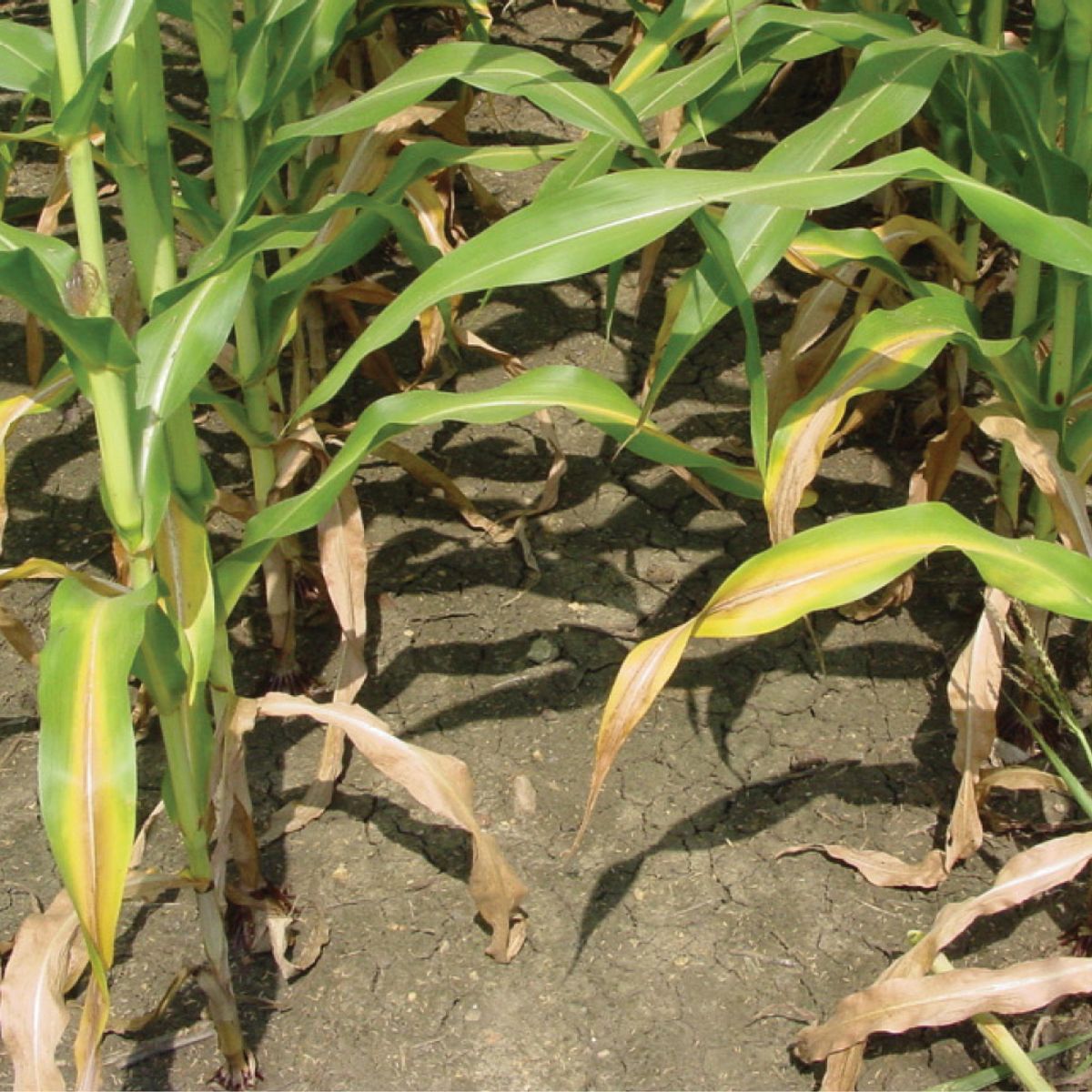
Indiana Corn Nitrogen Placement Study - 2x2x2 vs. Dribble
The purpose of this study is to compare nitrogen placement with the planter (on top vs. in the ground) and its impact on yield and profitability.…
Read the findings →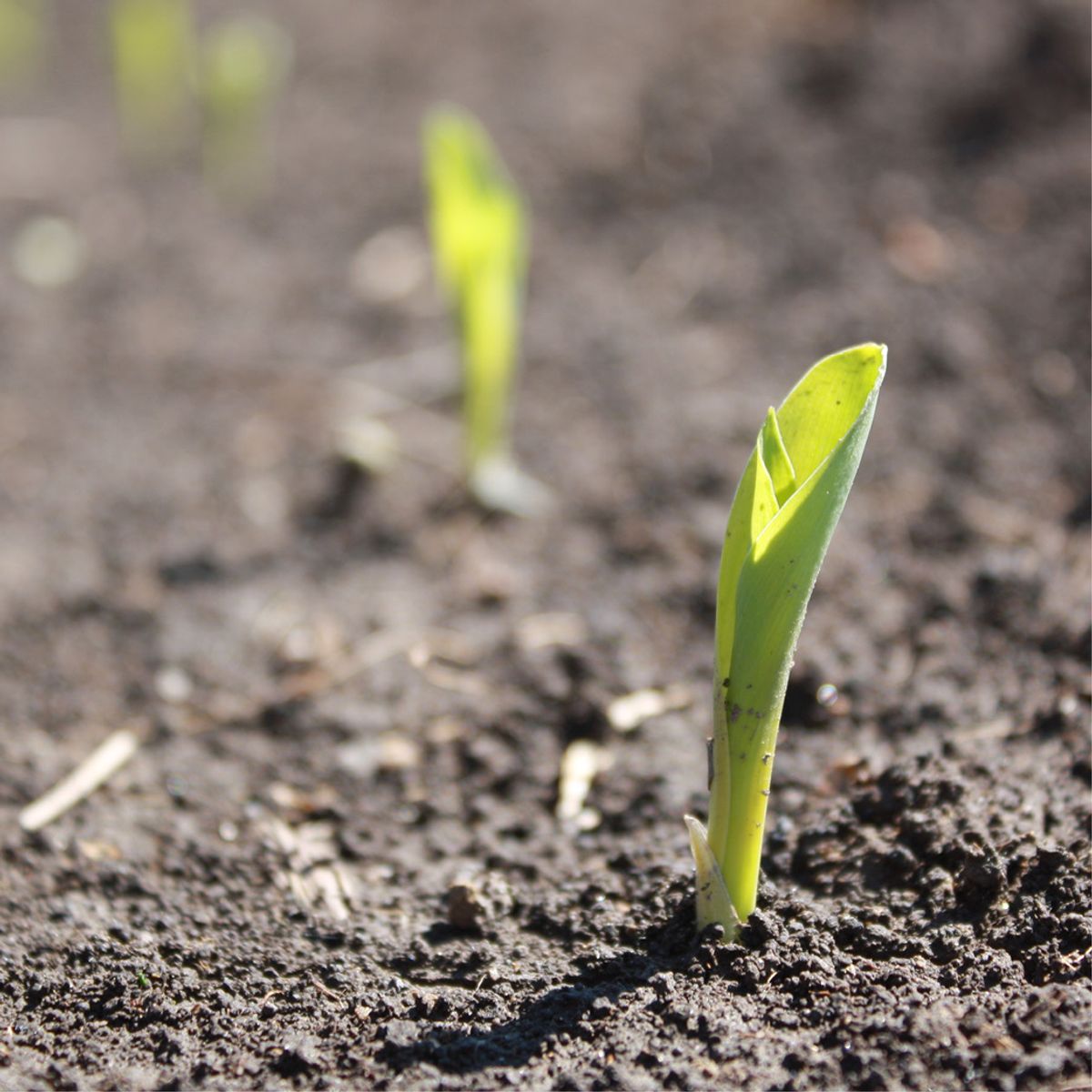
Ohio Corn Tire Pressure Study - Planter Tractor
The purpose of this study is to determine the impact tire pressure has on crop development, yield, and profitability.…
Read the findings →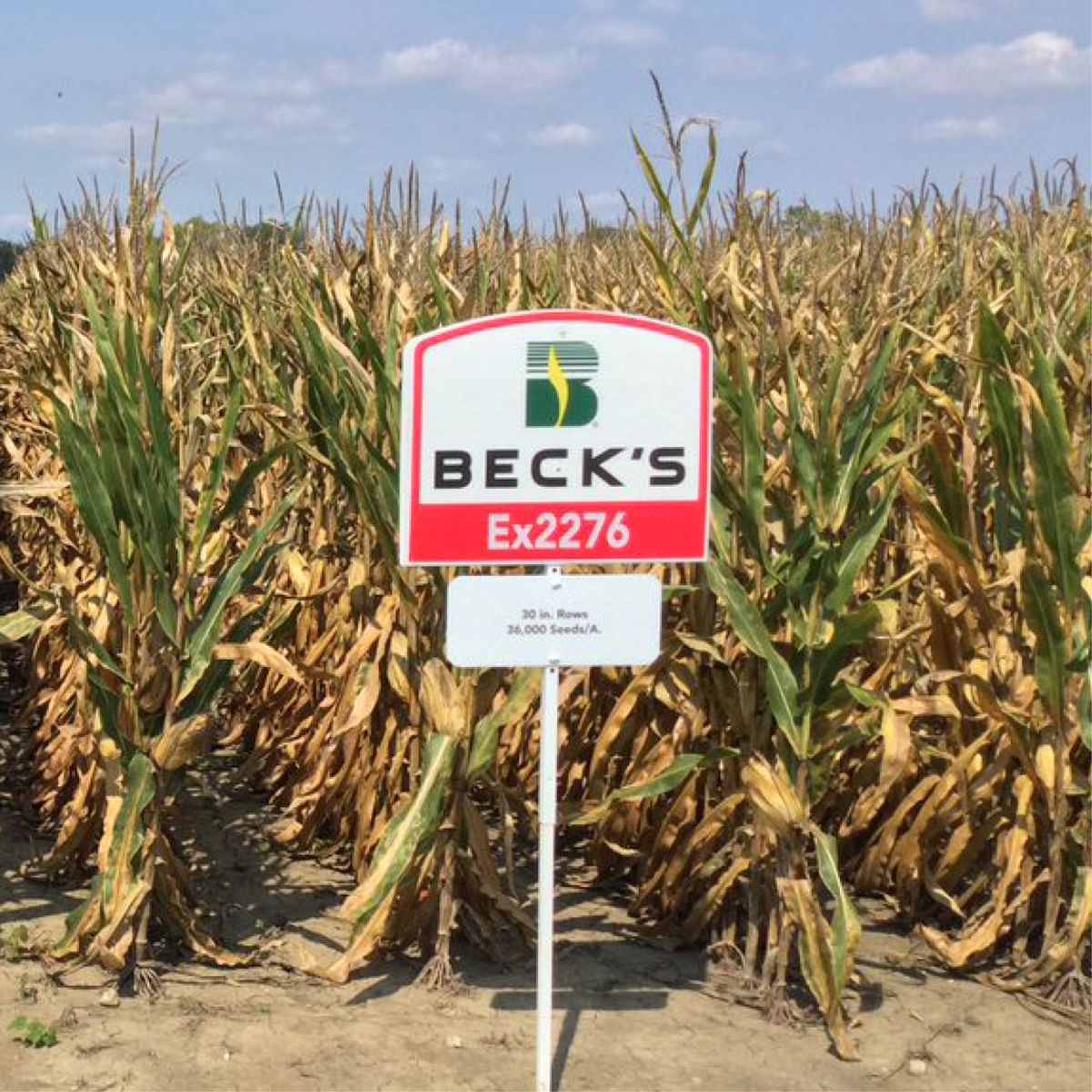
Ohio Corn Row Width & Population Study - Short Corn
The purpose of this study is to evaluate short corn hybrids in 15 in. and 30 in. rows at various planting populations to determine the Economic Optimum Seeding Rate (EOSR…
Read the findings →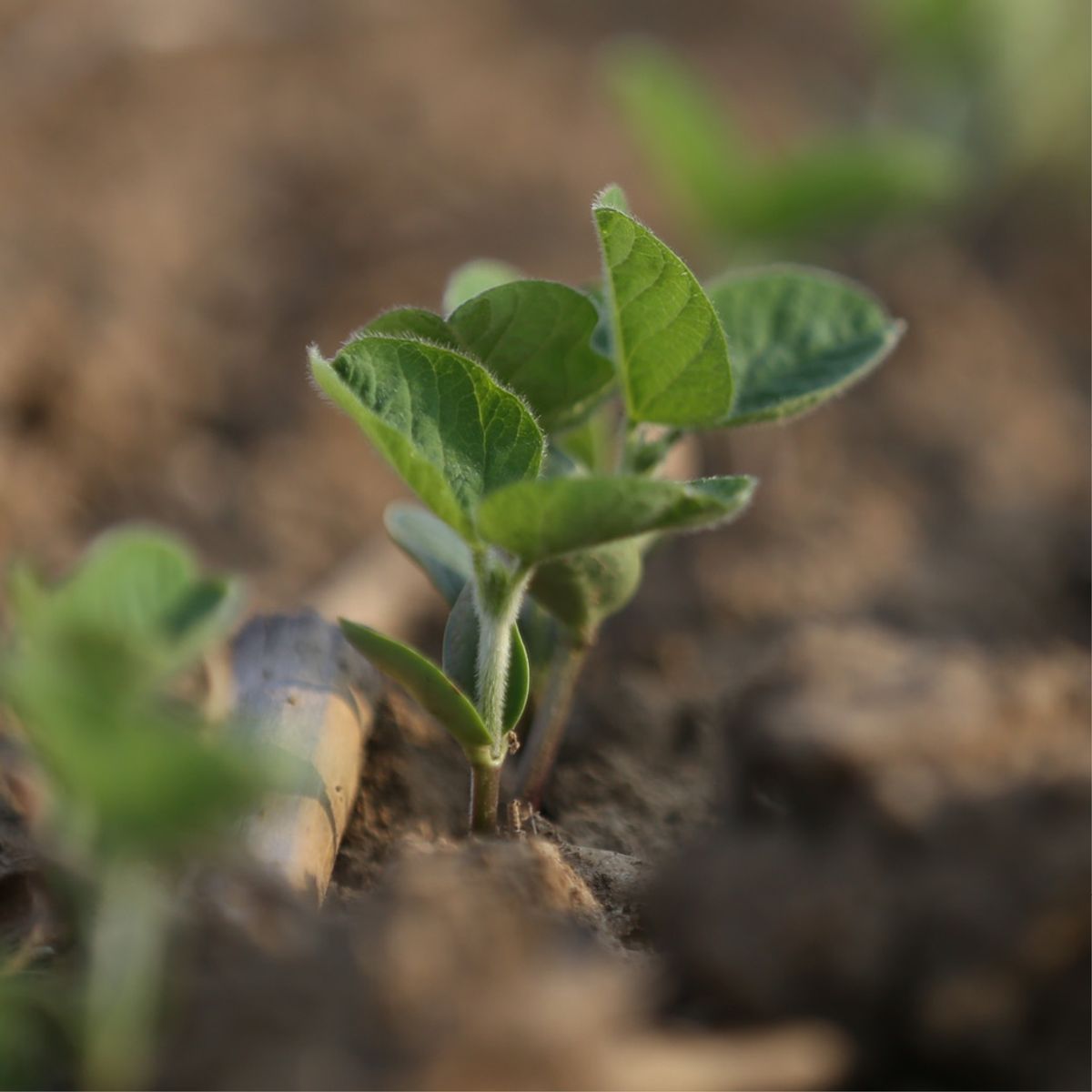
Ohio Soybean Tire Pressure Study - Planter Tractor
The purpose of this study is to determine the impact tire pressure has on crop development, yield, and return on investment.…
Read the findings →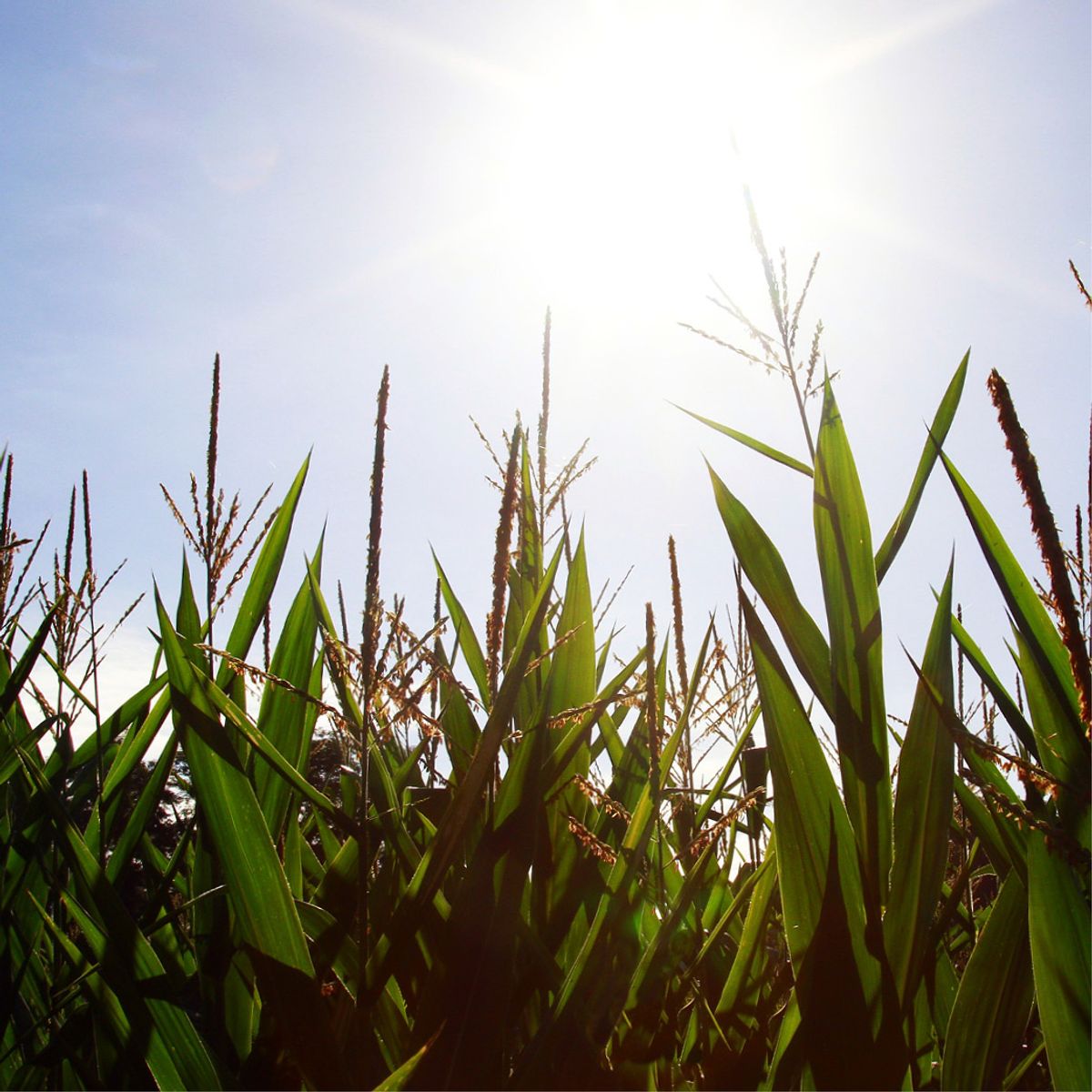
On-Farm Corn Planting Speed Study - SureSpeed™
The purpose of this study is to evaluate higher planting speeds, utilizing Agleader’s SureSpeed™ and its effect on spacing, emergence, and yield.…
Read the findings →Practical Farm Research (PFR)® and PFR Proven™ are trademarks of Beck’s Superior Hybrids, Inc. John Deere and ExactEmerge™ are trademarks of Deere & Company. Beck’s conducts and owns its research independently; it was not commissioned by Koenig Equipment or by John Deere. Koenig Equipment is not affiliated with, endorsed by, or acting as an agent of Beck’s Superior Hybrids, Inc. Beck’s operates the Commitment Rewards program and handles all redemptions. Figures from different studies are not directly comparable; each links to its own source.