Municipalities
Leaf and Storm Debris Cleanup Equipment for Municipalities
Leaf season runs on a schedule. Storm cleanup does not. Municipal crews in Ohio and Indiana need one machine that loads wet leaf piles off the curb in November and picks up downed limbs at six in the morning after a wind event. That means a loader, a grapple and a quick coupler.
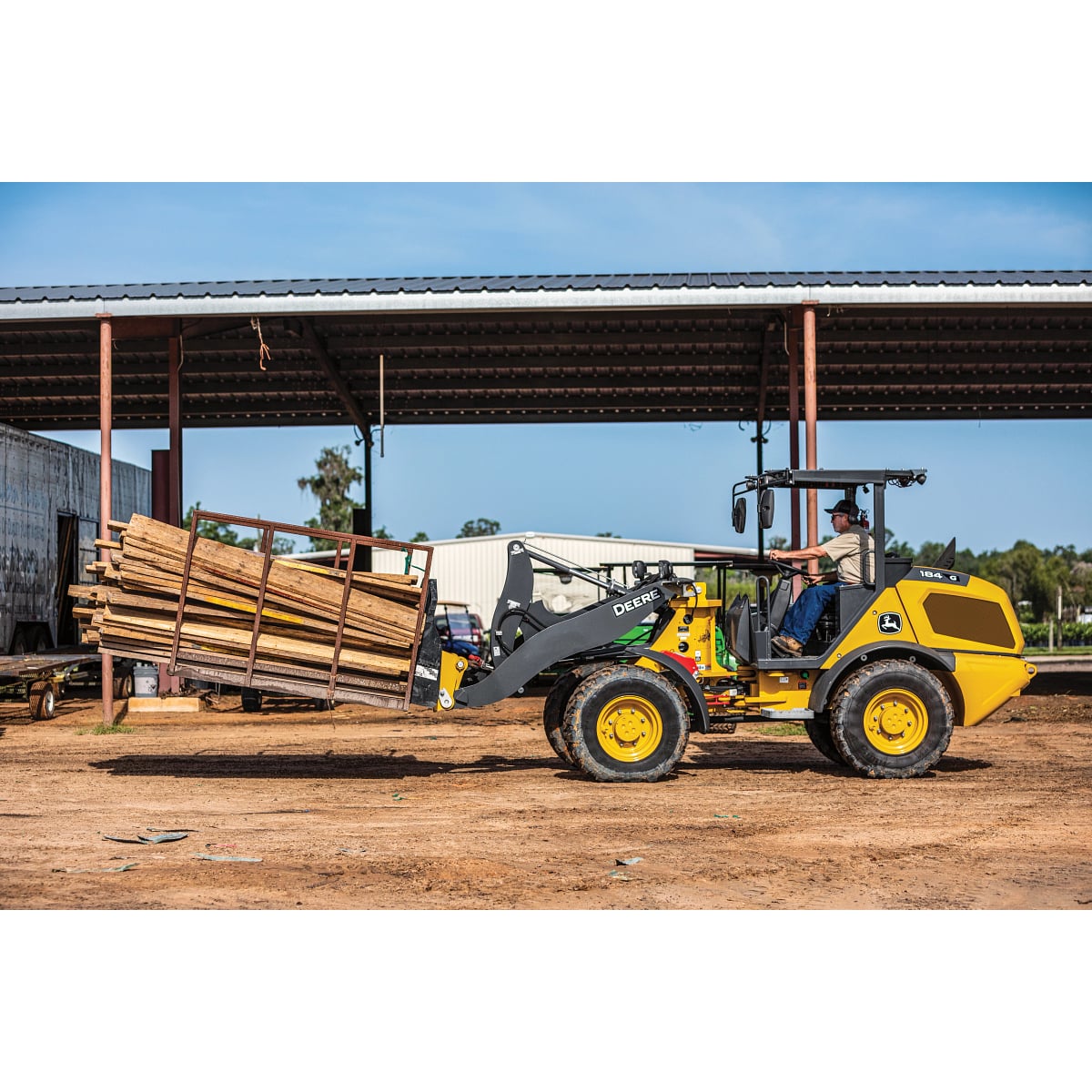
Curbside leaf loading
Leaf season is a volume job on tight residential streets. A compact wheel loader with a high-capacity bucket scoops a long windrow in a few passes and loads a tandem without the operator leaving the seat. Articulated steering keeps the machine off the turf strip and away from parked cars, and the 184 G-Tier or 204 G-Tier fits lanes that larger machines cannot work. Step up to the 244 P-Tier when crews are loading heavier, longer routes.
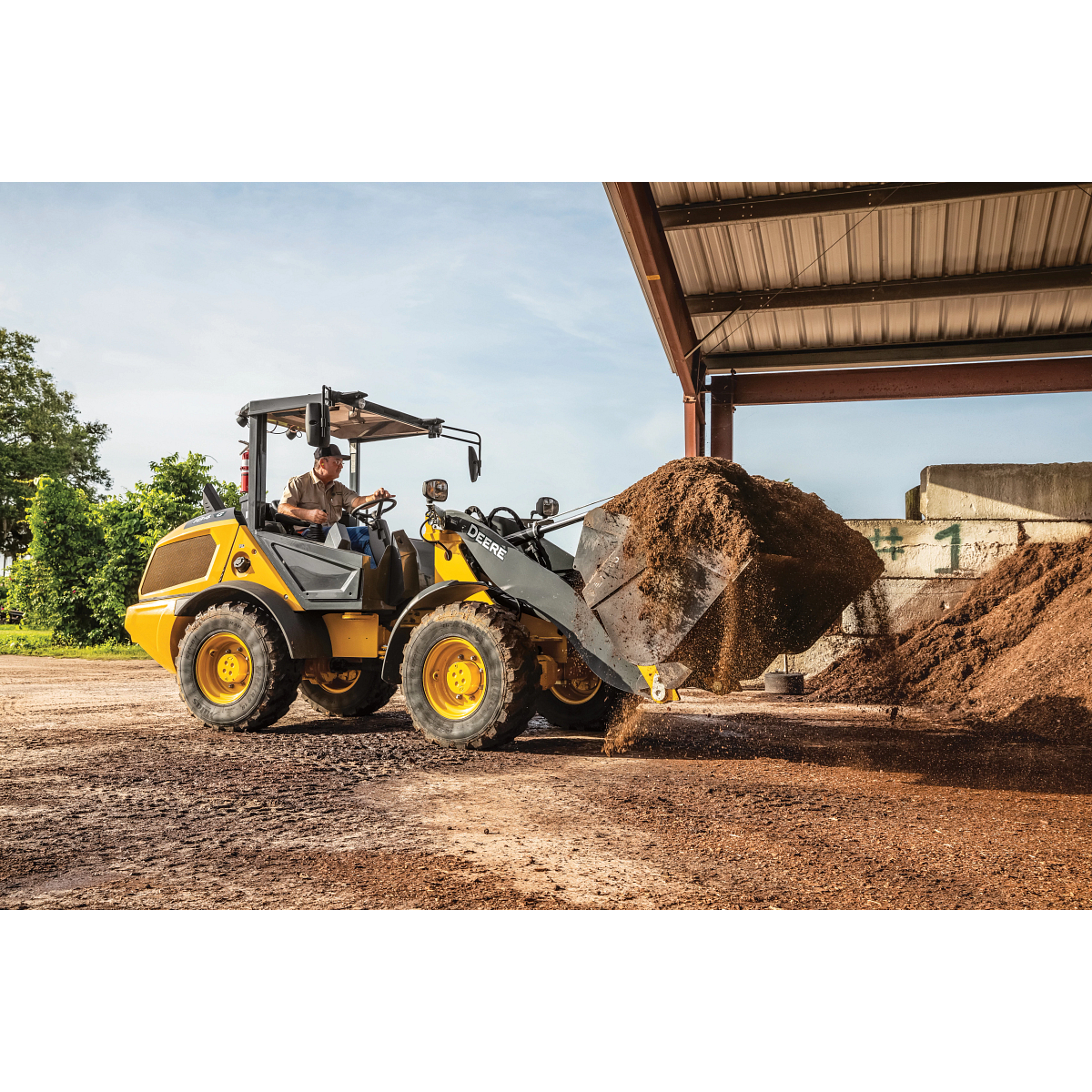
Storm debris and downed limbs
Storm work is different. Limbs are awkward, heavy on one end and tangled into brush piles. A grapple bucket on a skid steer or compact track loader grips a limb bundle, carries it to the chipper or truck, and sets it down under control. Tracks spread the weight when crews are pulling debris off saturated lawns and ditch banks. Wheels stay faster and cleaner on pavement, which is where most municipal storm routes actually run.
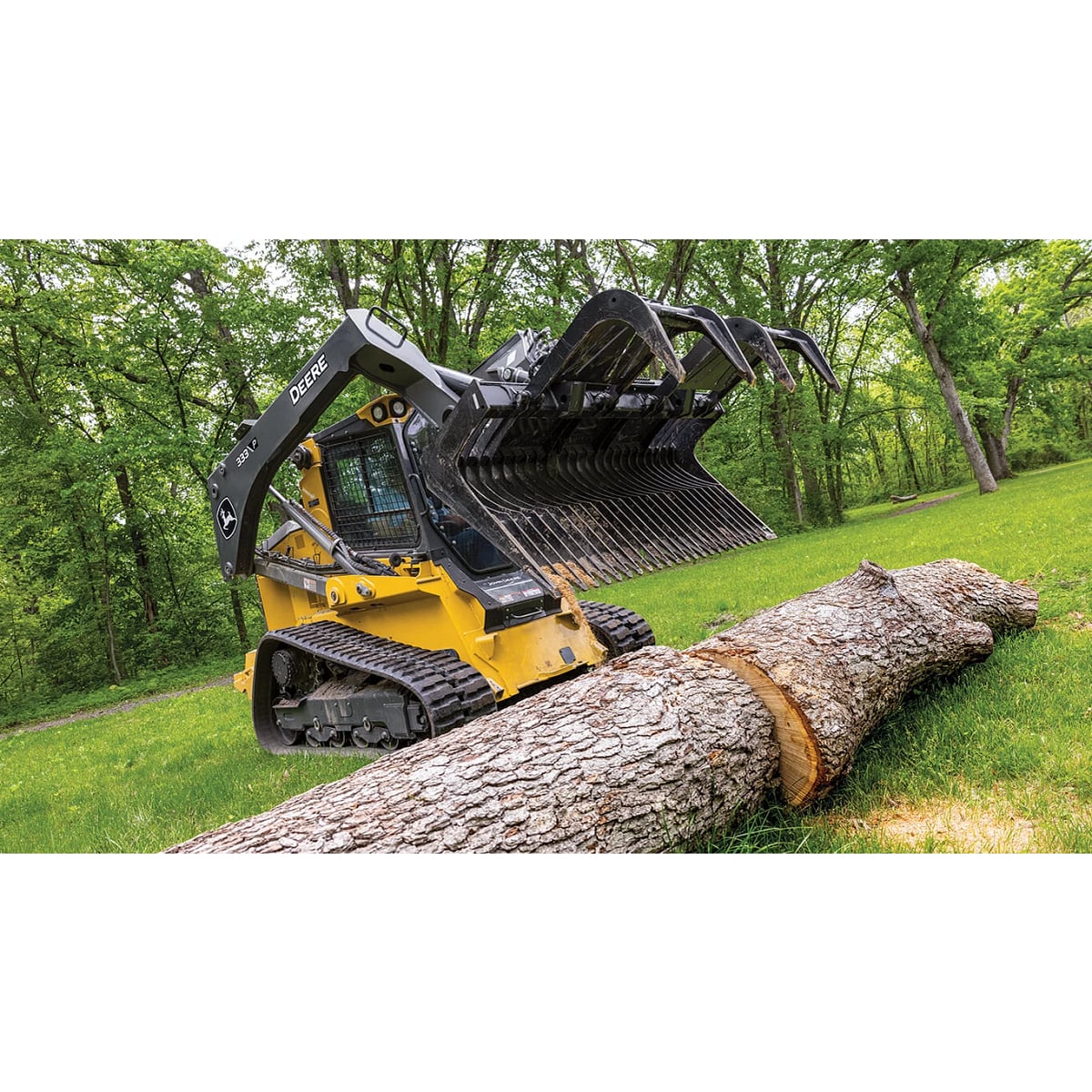
The machine that works year round
A lot of departments cannot justify a cleanup-only machine. A compact or utility tractor with a loader handles leaf piles and brush in the fall, then carries a rotary cutter through ditch and right of way mowing all summer and pushes snow in winter. For parks, cemeteries and smaller street crews, that flexibility is usually what decides the purchase. Match horsepower to the heaviest attachment you plan to hang on it.
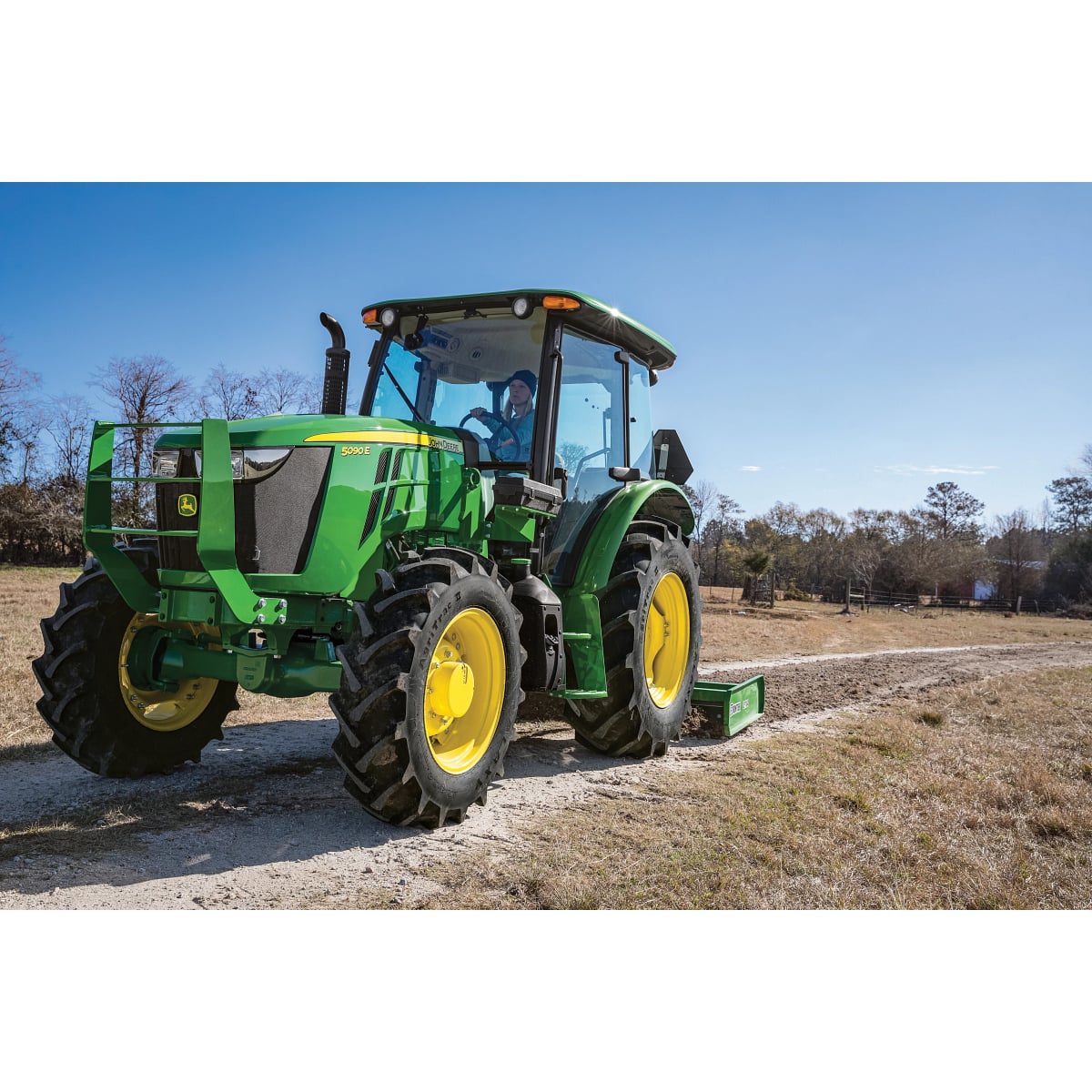
The kit for this job
Every machine here earns its place on the trailer. Tell us the job and we will spec the shortest kit that covers it.
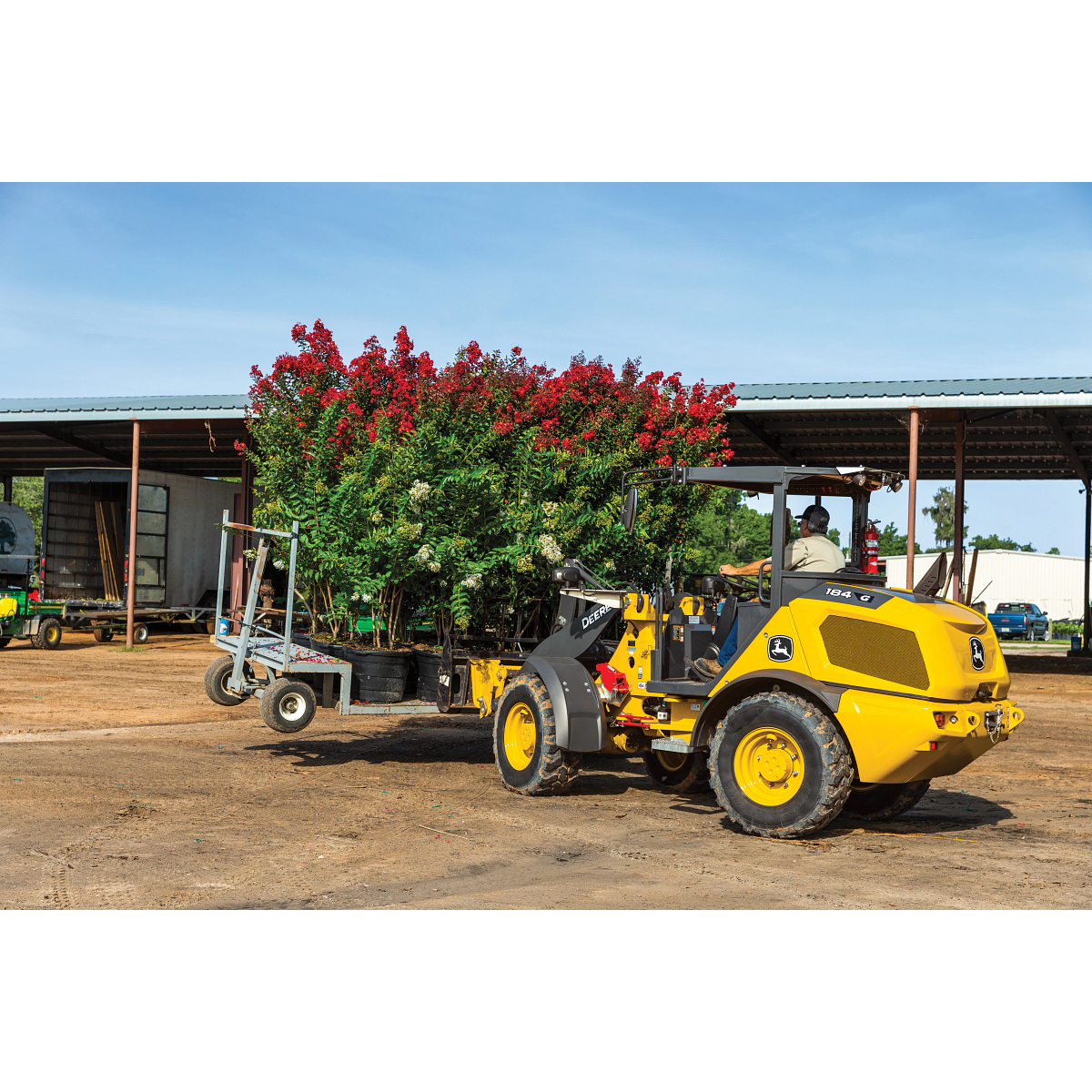
Compact wheel loader
The fastest way to move a big volume of leaves into a truck. Articulated, easy on pavement, comfortable for a full shift on a leaf route.
184 G-Tier · 204 G-Tier · 244 P-Tier · 304 G-Tier · 324 P-Tier
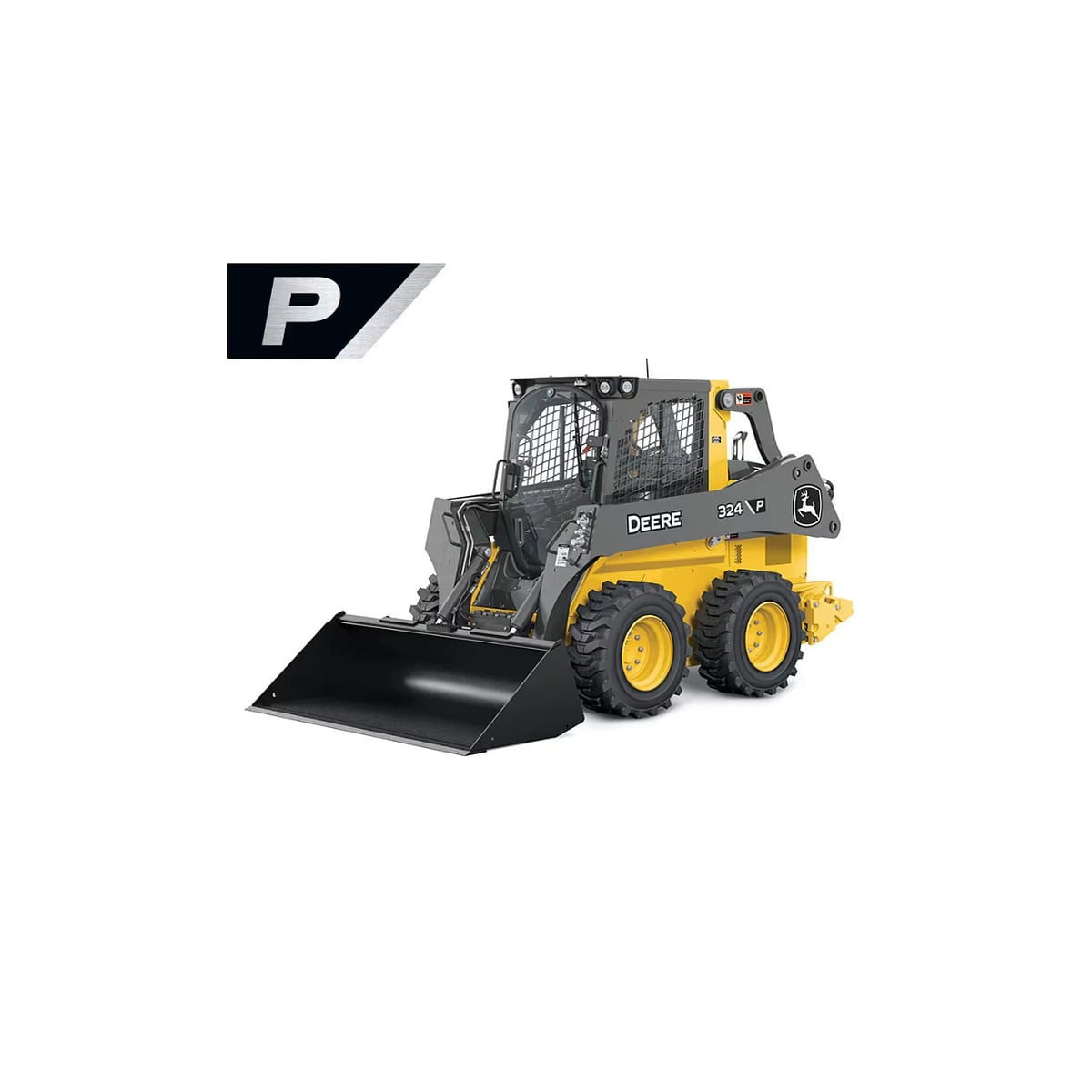
Skid steer with grapple bucket
Grips and carries limbs, brush and tangled storm debris. Quick coupler lets the same machine run a bucket or broom the rest of the year.
316 P-Tier · 318 P-Tier · 320 P-Tier · 324 P-Tier · 330 P-Tier · 334 P-Tier
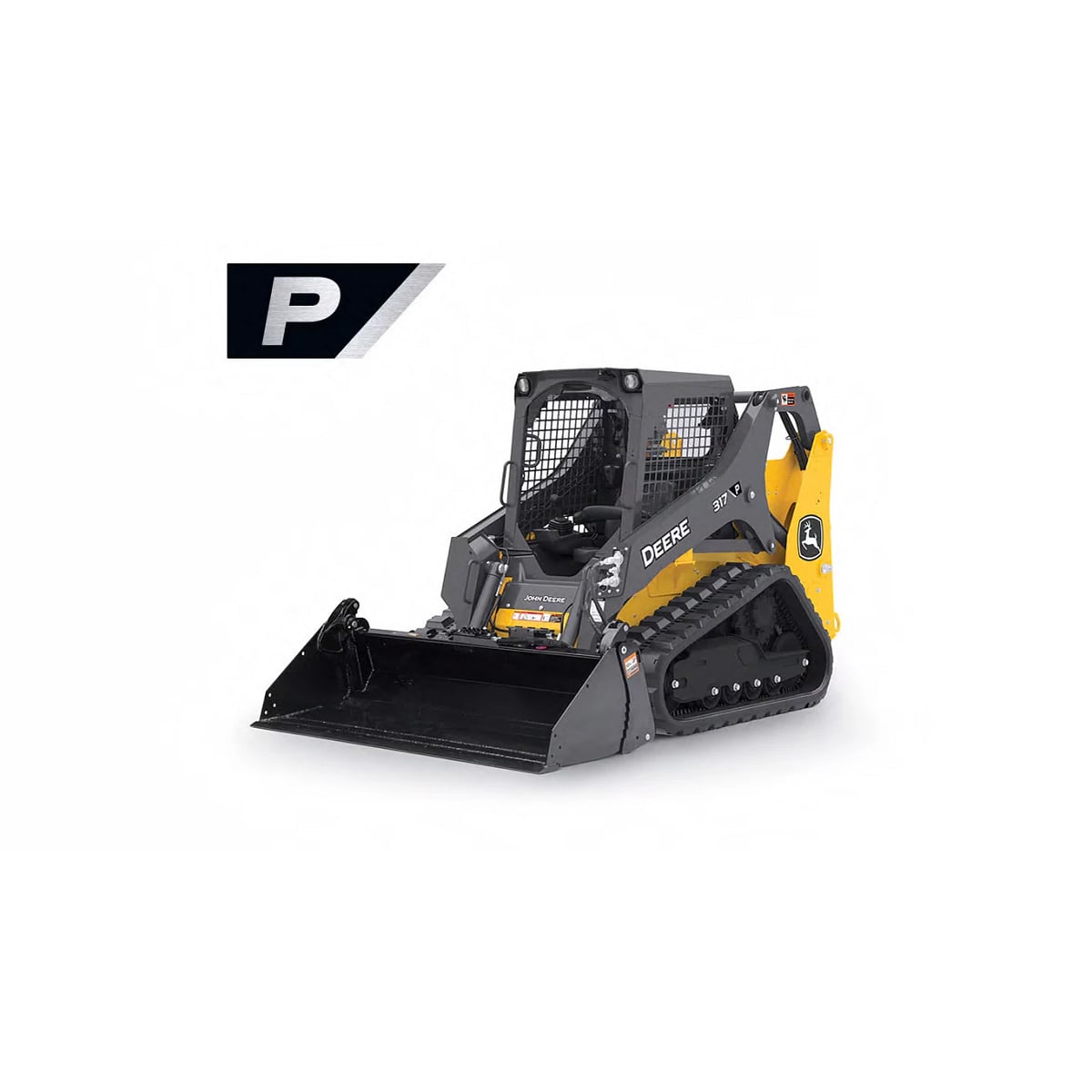
Compact track loader
Same grapple work with lower ground pressure. This is the choice when crews are pulling debris off soft turf, ditch banks or saturated park ground.
317 P-Tier · 325 P-Tier · 331 P-Tier · 333 P-Tier · 335 P-Tier
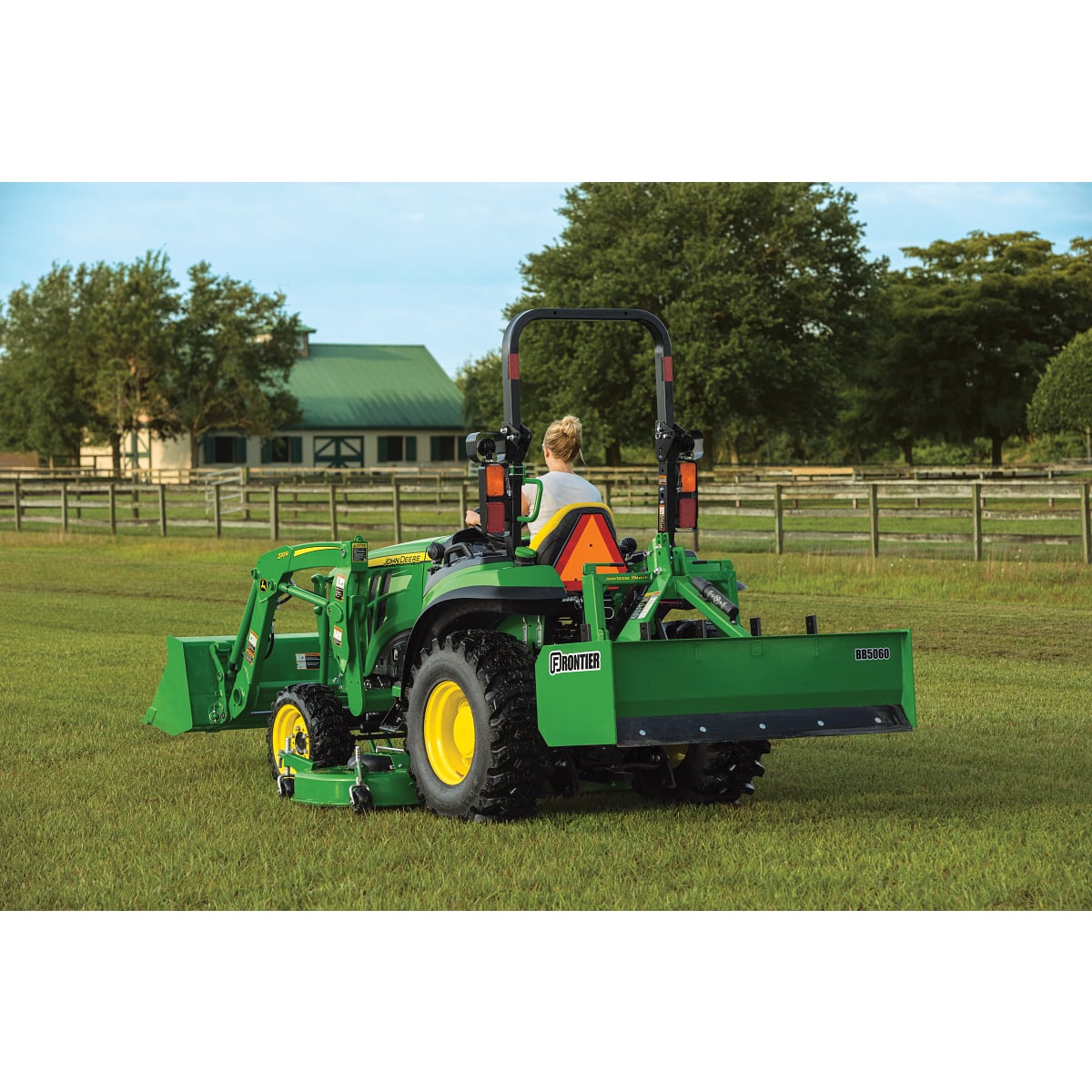
Compact tractor with loader
A year-round municipal machine for parks and small street crews. Loads leaf piles in fall, mows right of way in summer.
2038R · 3033R · 3038E
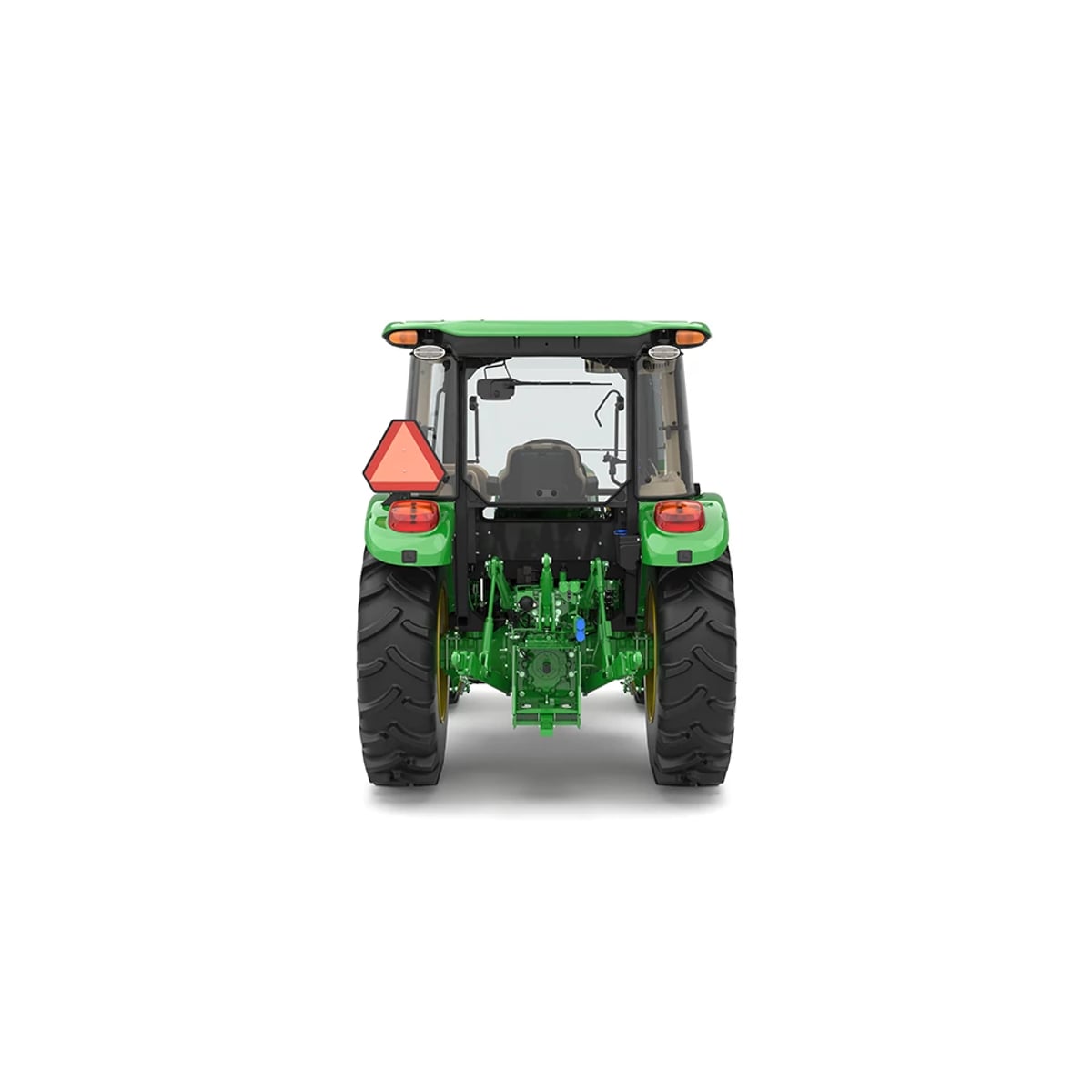
Utility tractor with loader
More lift and more reach for heavier debris and ditch work, with a cab option for cold, wet cleanup days.
5075E · 5085M · 5090E Cab · 5100E Cab · 5105M
Questions we get on this job
Wheels or tracks for storm cleanup?
It depends on where your debris actually sits. If crews work paved streets and alleys, a skid steer is faster and cheaper to maintain. If they are dragging limbs off lawns, parks and ditch banks after heavy rain, a compact track loader will do less damage and keep working.
Can one machine cover leaf season and storm response?
Usually yes, with the right coupler and two attachments. A grapple bucket handles limbs and brush, and a high capacity bucket moves leaf windrows. Most municipal fleets we work with run around three machines total, so a single flexible loader earns its keep.
How big a loader does a small town need?
Size to your truck and your streets, not to the worst storm you have ever had. Many smaller departments do well with a compact wheel loader in the 184 G-Tier or 204 G-Tier range or a tractor loader. We will come out and look at your routes before recommending anything.
Can we see one work before we buy?
Yes. We will arrange a demo on your site, on your streets, with the attachment you are considering. We stock parts for this equipment and our technicians are trained on it, so support does not end at delivery. Koenig has been local and family-owned since 1904.
Related
Tell us the job, not the model number
Send the acreage, the access and the schedule. We will spec the shortest kit that covers the work and price it new or used. Family-owned in Ohio and Indiana since 1904.
Talk to a Koenig rep