Solutions/Hay / forage growers
Hay / forage growers
Round Balers for Ohio and Indiana Hay Growers
Round baling here means short weather windows, heavy second cutting, and fields that are rarely flat. We help hay and forage growers match bale size, pickup width, and net wrap setup to the acres they actually cut and the tractor already sitting in the shed.
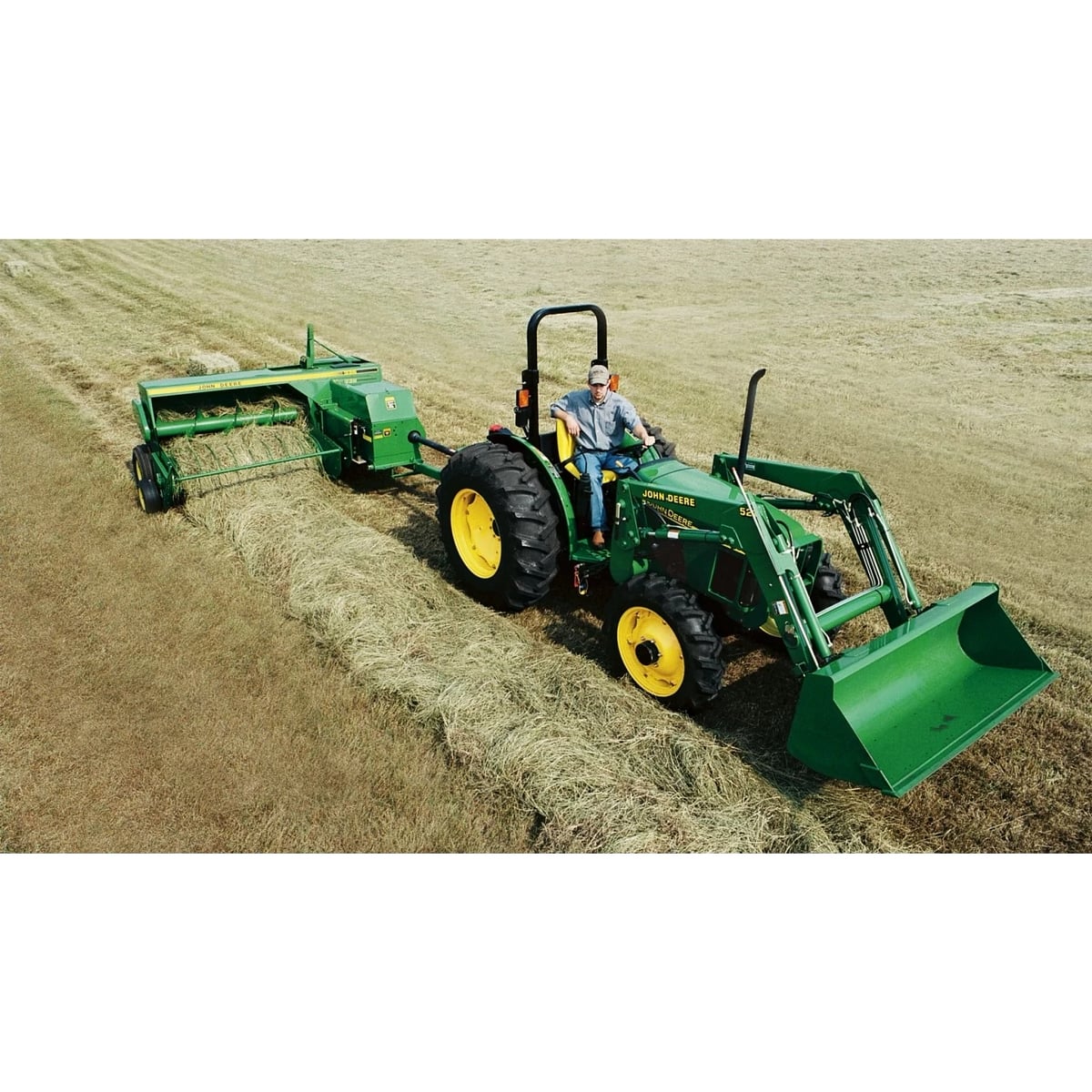
Match the bale to your market
Bale size drives everything else. Growers selling small lots of horse hay want a tight, weather-shedding 4x5, while beef operations feeding their own cattle usually want the biggest bale the loader can handle. The 450 and 460 series cover most Ohio and Indiana farms, and the 551M and 561M step up when you are covering serious acres and want fewer stops per field.
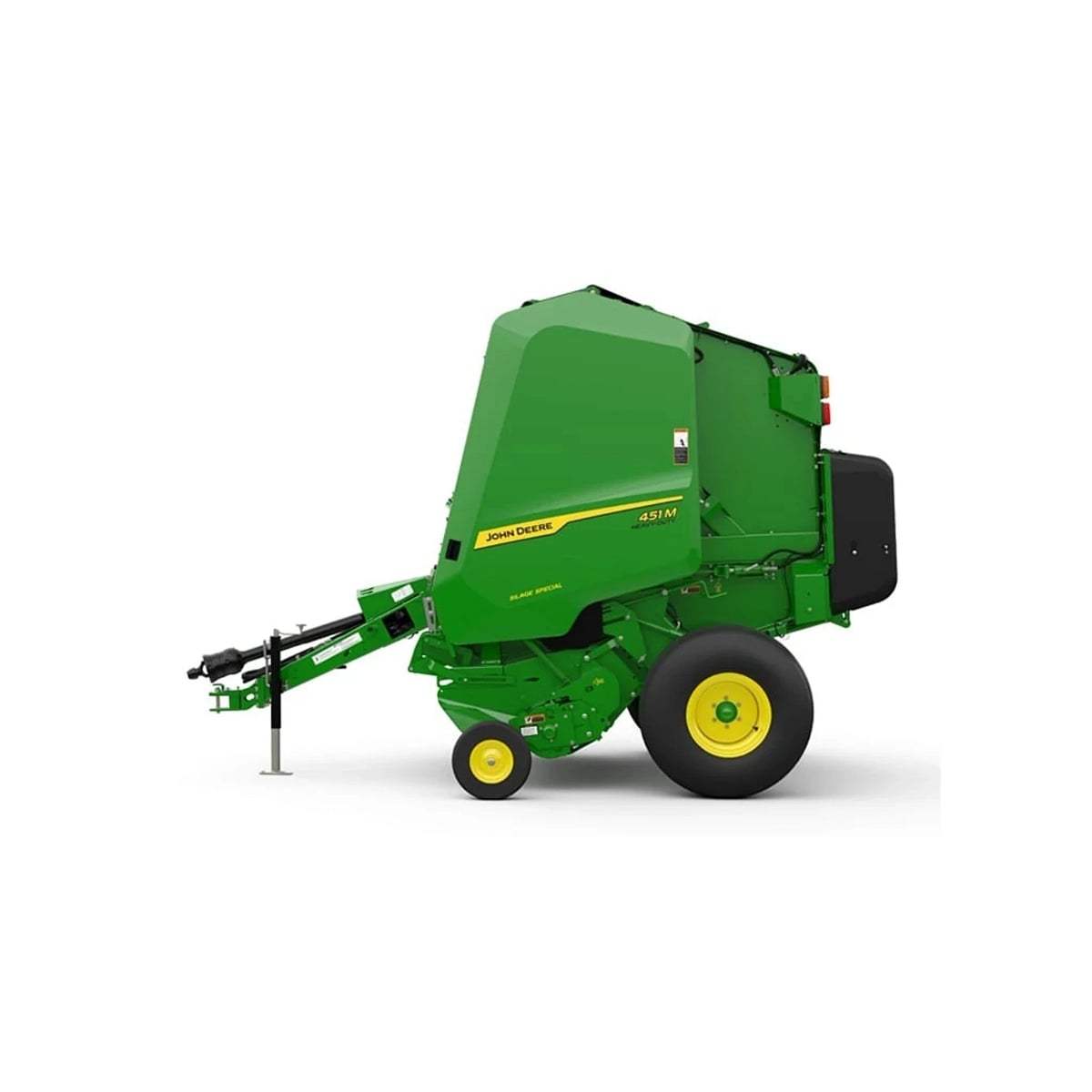
Baling wet, baling fast
High-moisture baleage is how a lot of growers beat our spring weather. If you are wrapping, a purpose-built silage baler holds up far better than a dry hay machine pushed into that work. The C452R and C462R combine baling and wrapping in one pass, which cuts handling. The L331R large square is the answer when your hay moves by semi and stacks matter more than round bales.
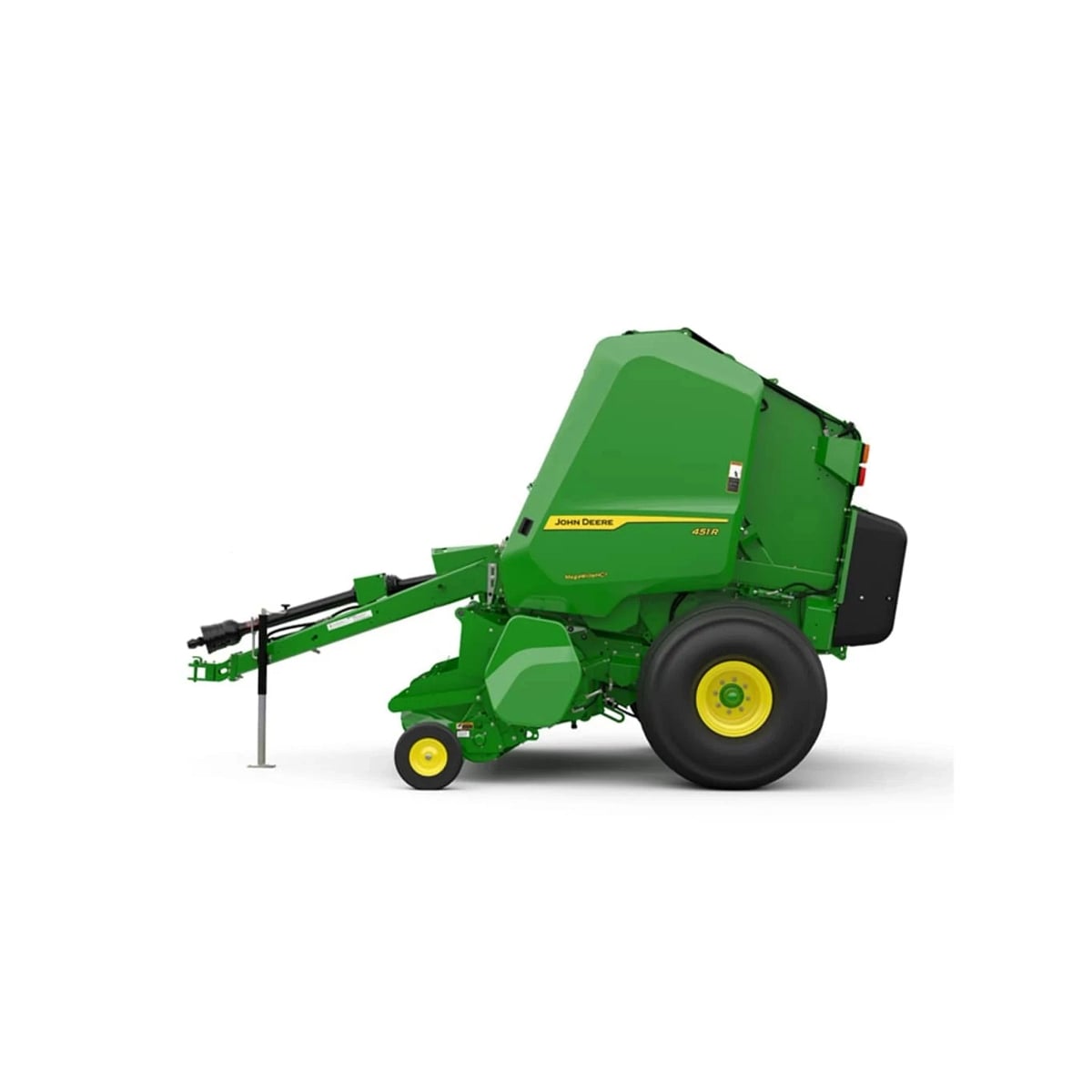
The tractor sets the pace
A baler is only as good as the tractor pulling it. Growers underestimate hydraulic and PTO demand, especially with a wrapping baler on a hillside. A 5M or 5E handles most mid-size round balers comfortably, and the 6M range gives you the weight and power for the big silage machines and long days. We size this together, on your ground, before you buy.
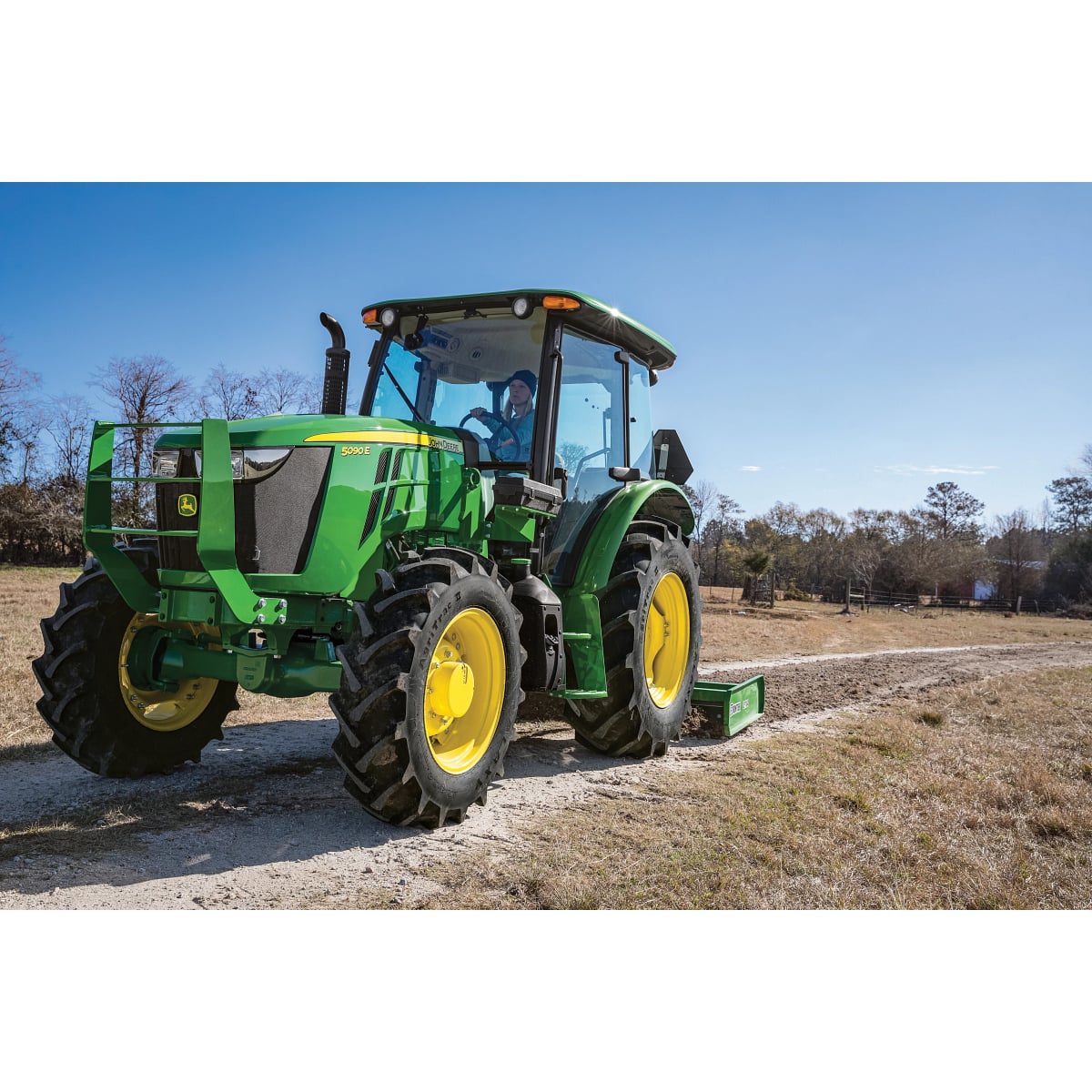
The kit for this job
Every machine here earns its place on the trailer. Tell us the job and we will spec the shortest kit that covers it.
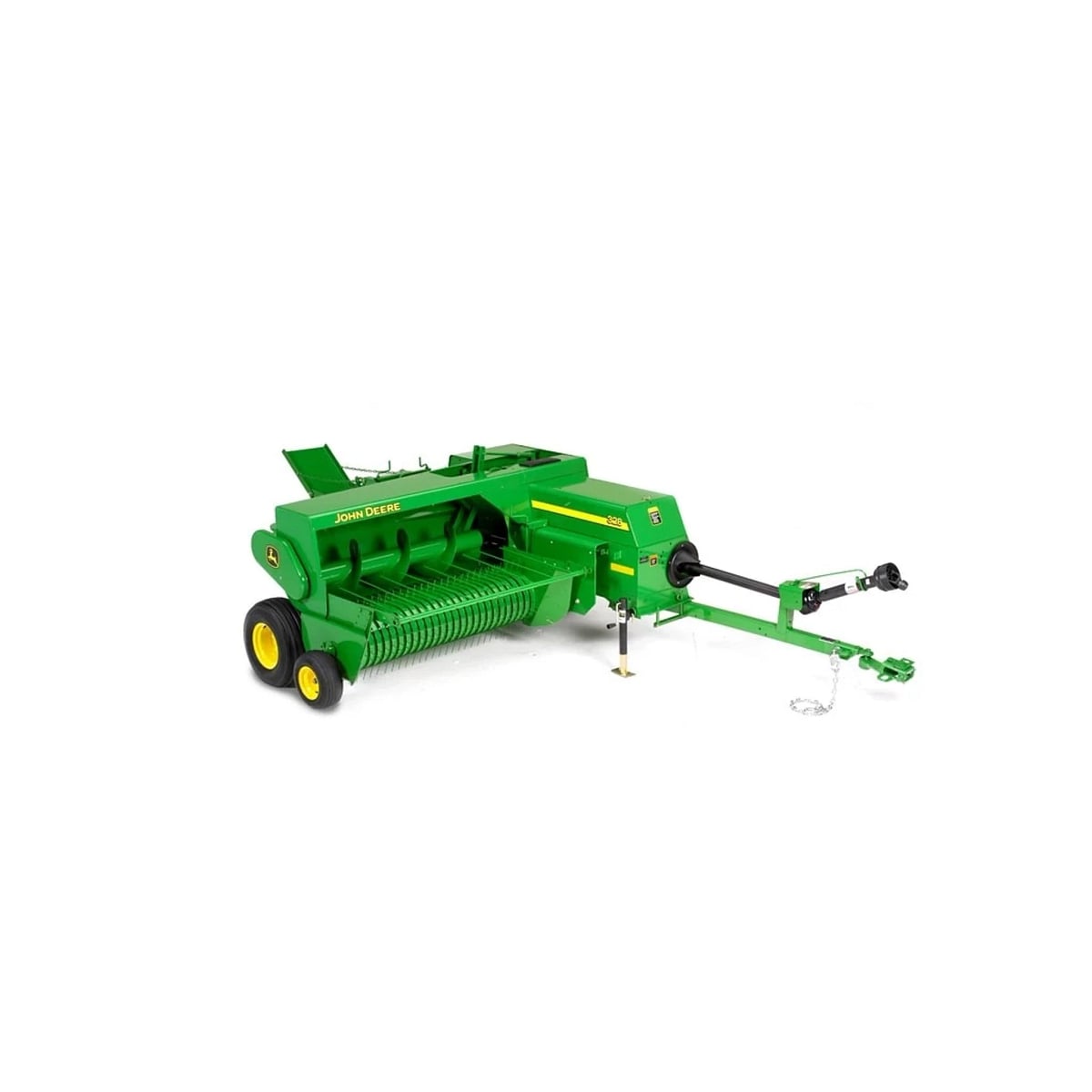
Round balers
The core machine. Choose by bale size, expected tons per season, and whether you bale dry hay, baleage, or both.
328 · 338 · 348 · 451E · 451M · 451R · 461M · 461R · 551M · 561M · 561R
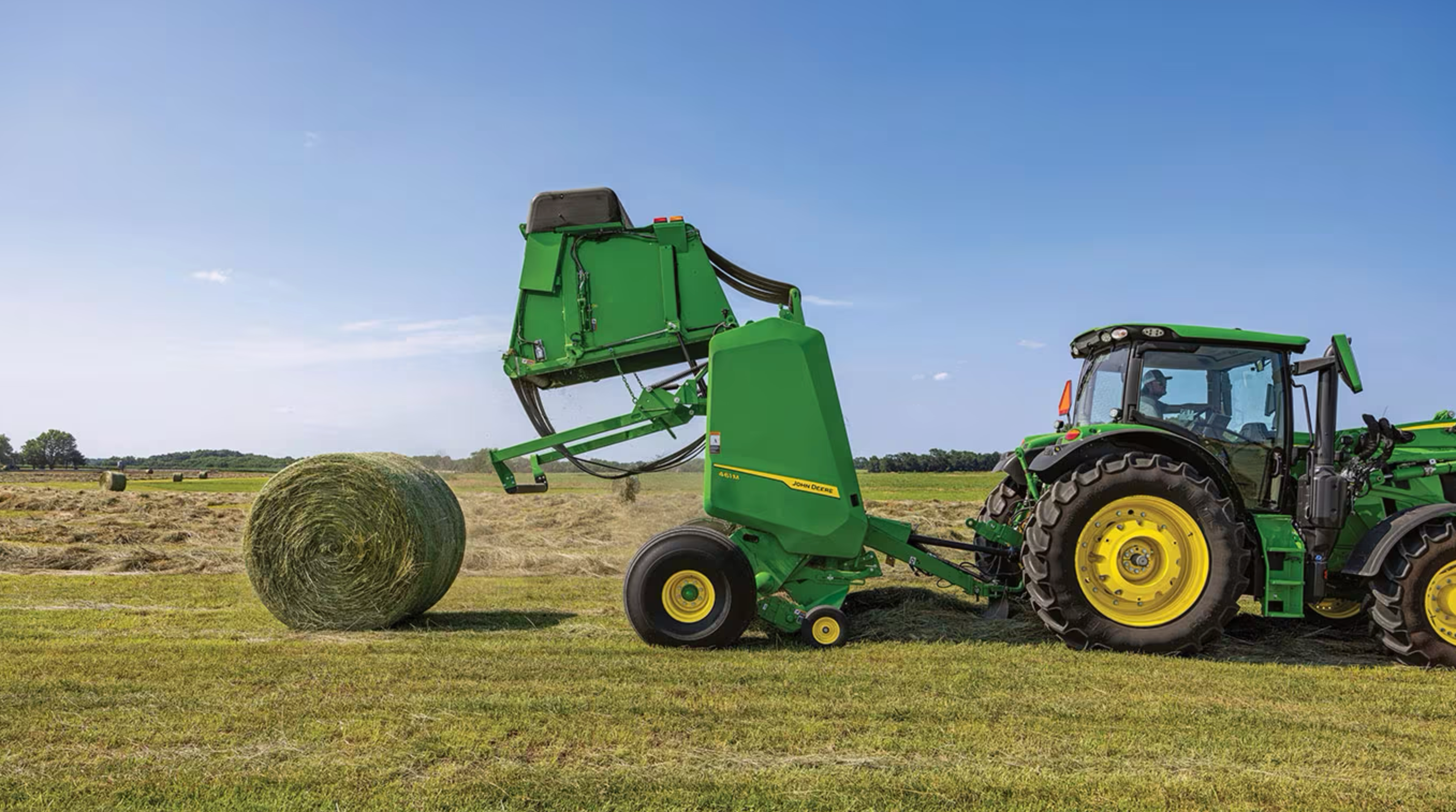
Baler and wrapper combinations
Bales and wraps in a single pass for high-moisture forage. Saves a handling step and gets the seal on quickly.
C452R · C462R
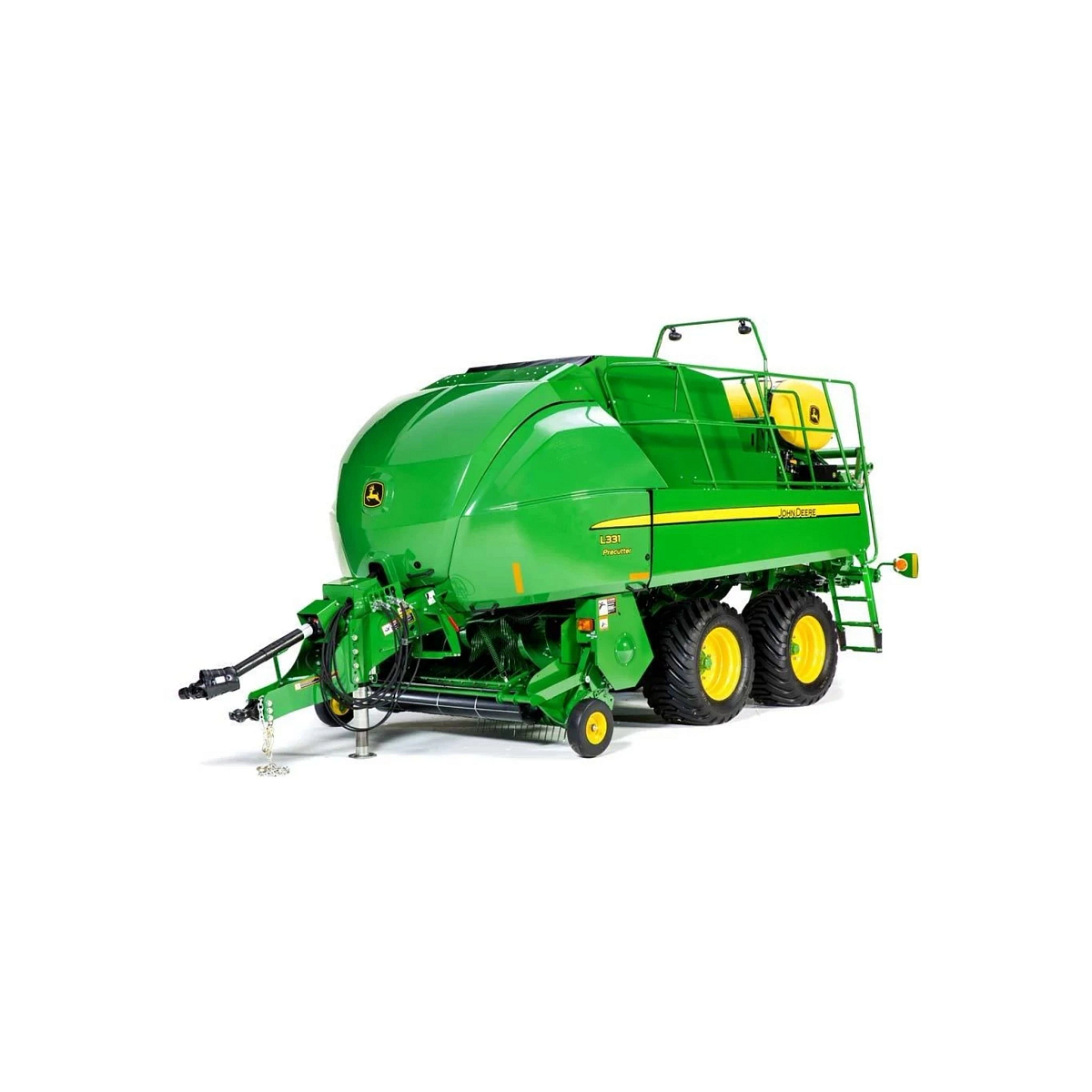
Large square baler
For growers shipping hay by truck, where dense, stackable bales matter more than round.
L331R
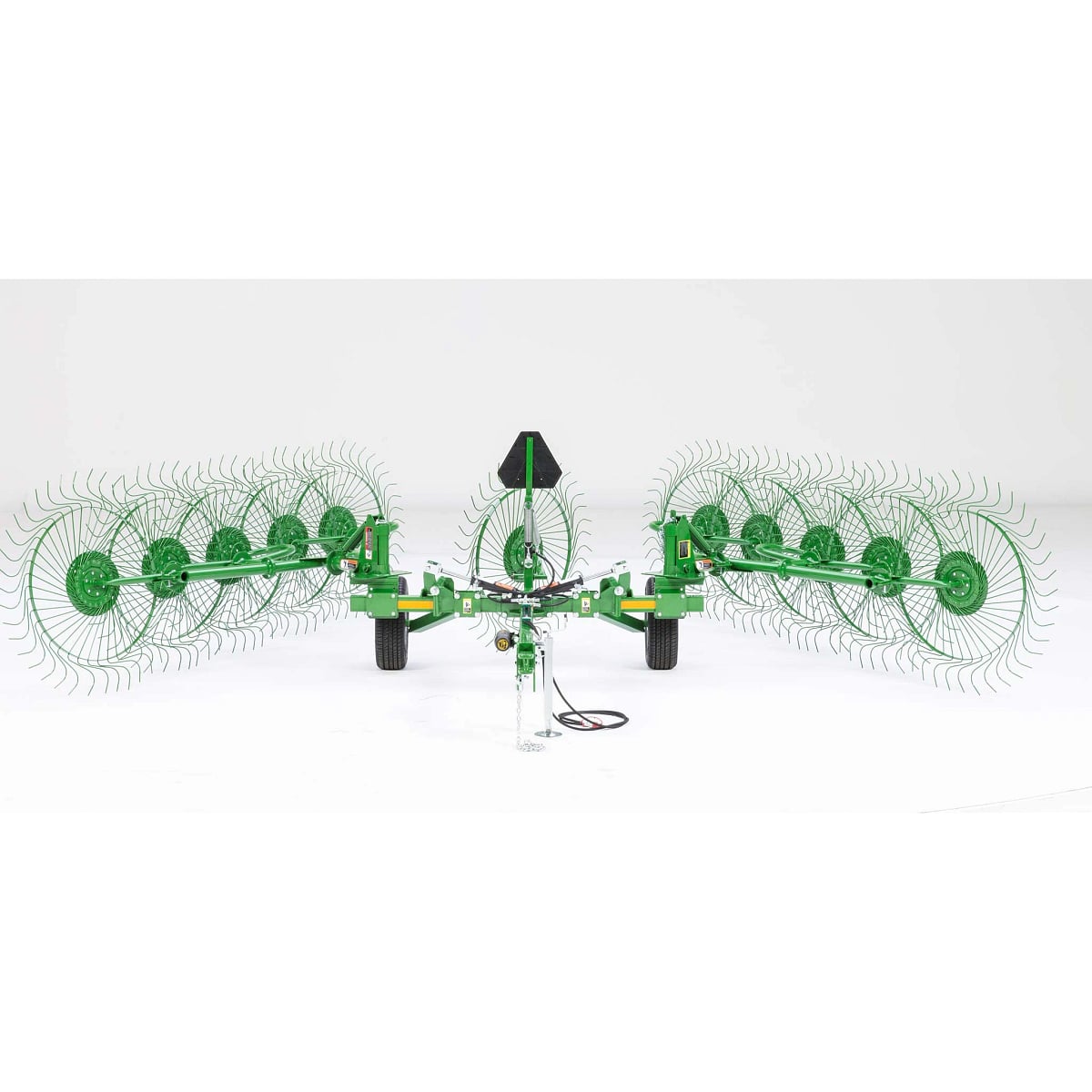
Rakes and mergers
Builds the windrow the baler feeds on. A consistent, correctly sized windrow is the single biggest factor in bale shape and density.
WR0010 · WR0012 · WR1212 · WR1214 · WR1216 · WR3210 · WR3212 · WR5417
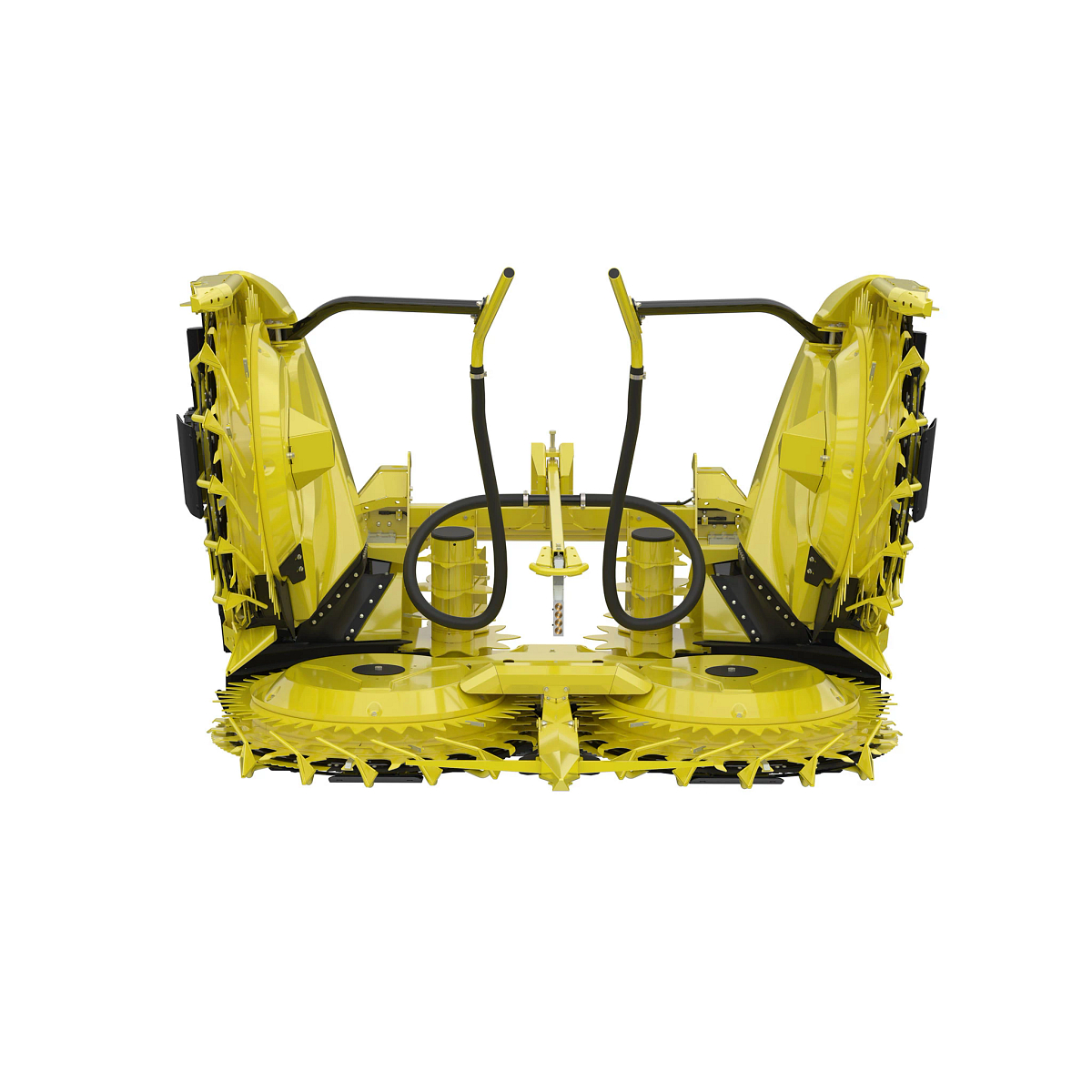
Mower conditioners and cutting platforms
Starts the drydown clock. Good conditioning shortens the window between cutting and baling.
345Pro · 360Pro · 375Pro · 390Pro · 460Pro · 475Pro · 490Pro · 639 · 649 · 659 · 676
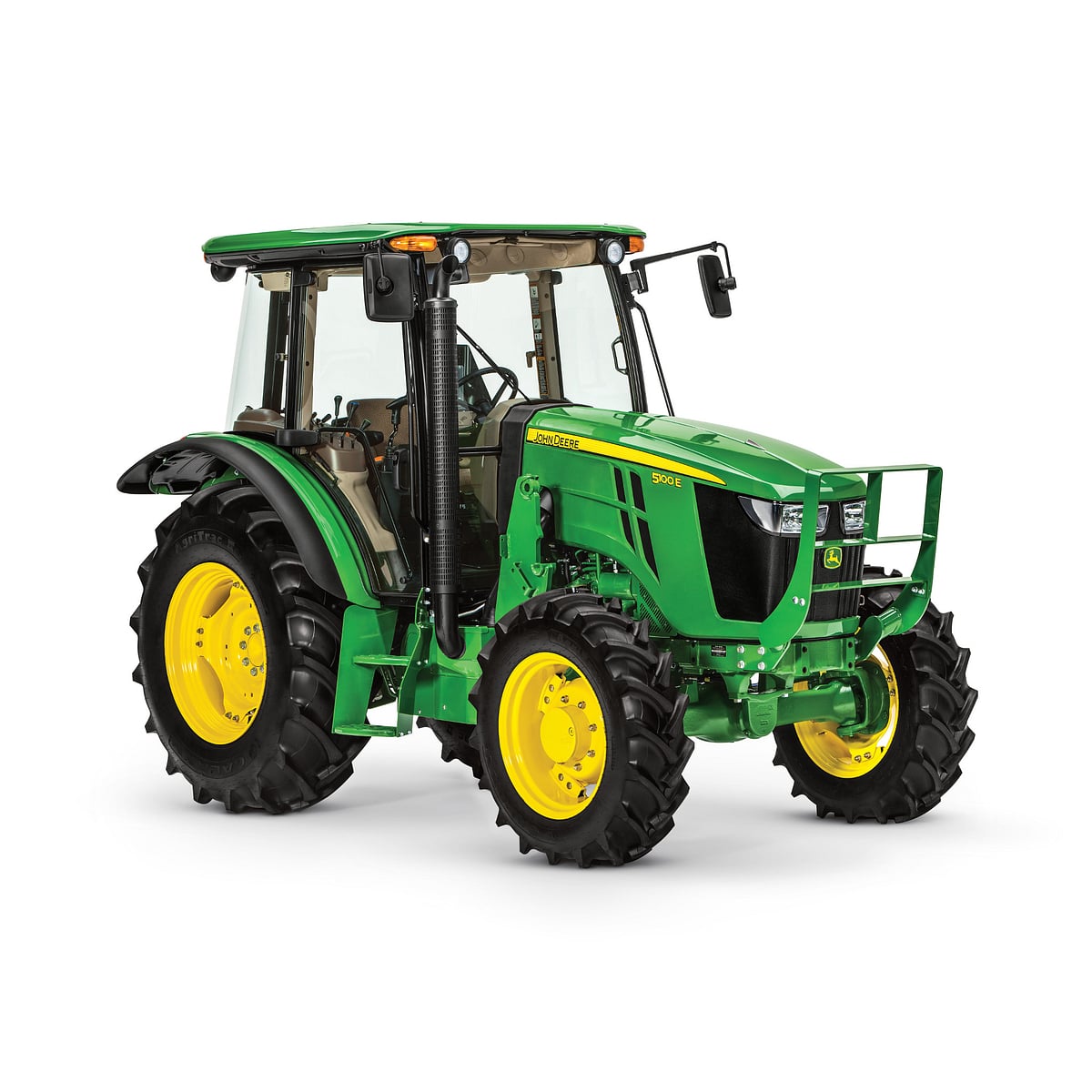
Tractors
Supplies PTO power, hydraulic flow, and enough weight to handle a loaded baler on slopes and headlands.
5090E Cab · 5100E Cab · 5105M · 5120M · 5130M · 6M 180 · 6M 200 · 6M 220
Questions we get on this job
What size round baler do I need for 100 acres of hay?
Most growers at that acreage do well with a 4x5 or 4x6 machine in the 450 or 460 series. The bigger question is how many cuttings you take and how fast you need to clear a field ahead of rain. We will walk your fields and talk through it before recommending anything.
Can I bale baleage with a standard round baler?
You can bale higher-moisture hay with a dry hay baler, but wet crop is hard on belts, bearings, and driveline. If baleage is a regular part of your operation, a silage-spec baler like the C452R or C462R is built for that load and wraps in the same pass.
Is a used baler a reasonable buy?
About half of what growers in our area buy is used, and a well-maintained baler can be a smart purchase. What matters is belt condition, pickup wear, and how many bales are on it. We are happy to look one over with you and be honest about what it needs.
Will you bring a baler out to my farm?
Yes. We will arrange a demo on your ground, in your crop, because a baler behaves differently in heavy second cutting than it does on a lot. We stock parts for these machines and our technicians are trained on them. Koenig has been family-owned since 1904, and we come to you with solutions.
Related
Tell us the job, not the model number
Send the acreage, the access and the schedule. We will spec the shortest kit that covers the work and price it new or used. Family-owned in Ohio and Indiana since 1904.
Talk to a Koenig rep