The Field Report — October 2026
Your October 2026 edition: the offers, equipment, and service worth knowing about this month for row-crop farmers and ag professionals across Ohio and Indiana.
4.9% APR fixed rate for 60 months
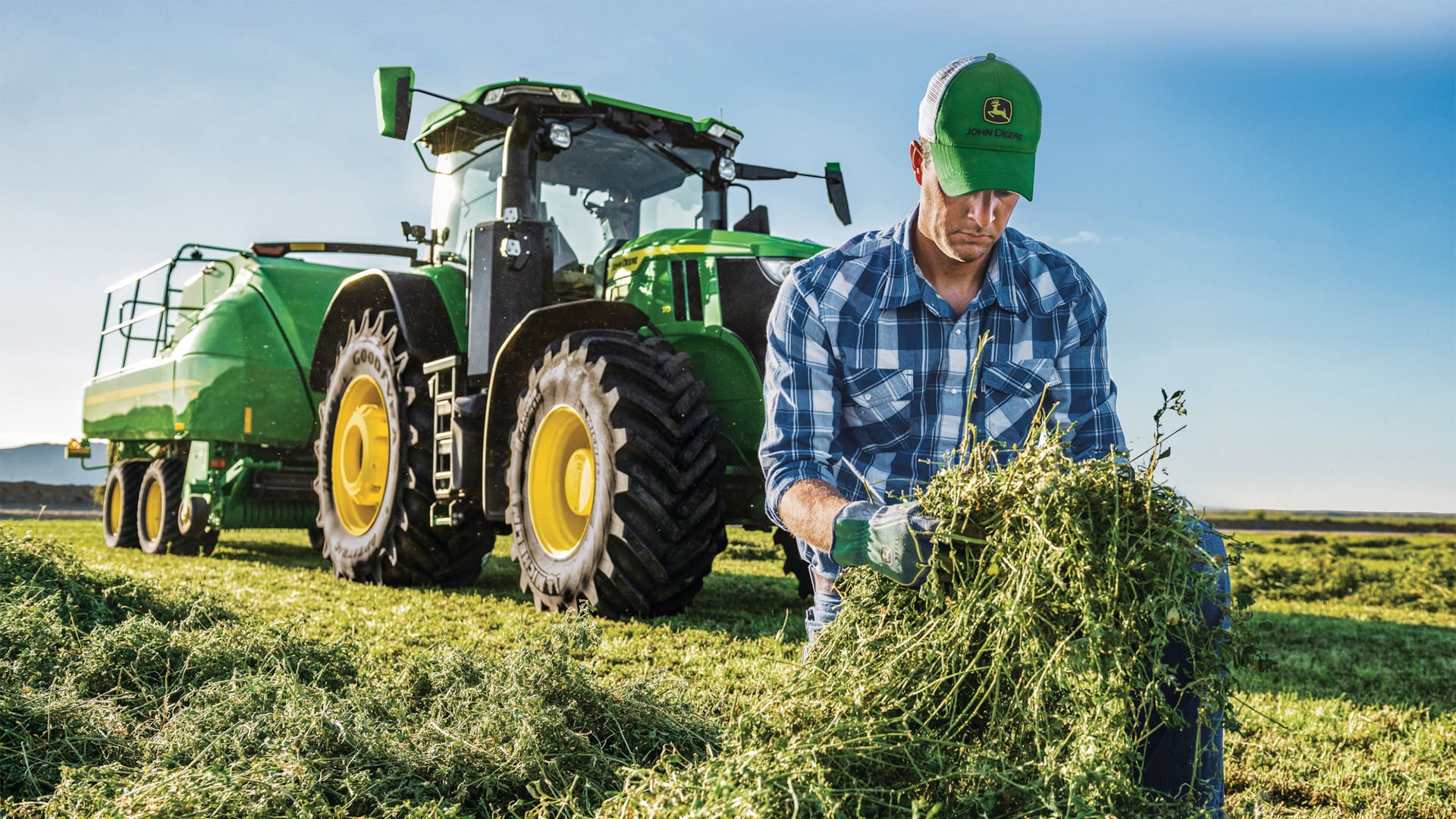
Late-Season Forage: Stockpiling Pasture and Prepping Your Baler for the Final Cutting
Buy back grazing days in December: how to stockpile fescue, time your final cutting to moisture targets, and prep your baler for late-season forage.
Read the article ›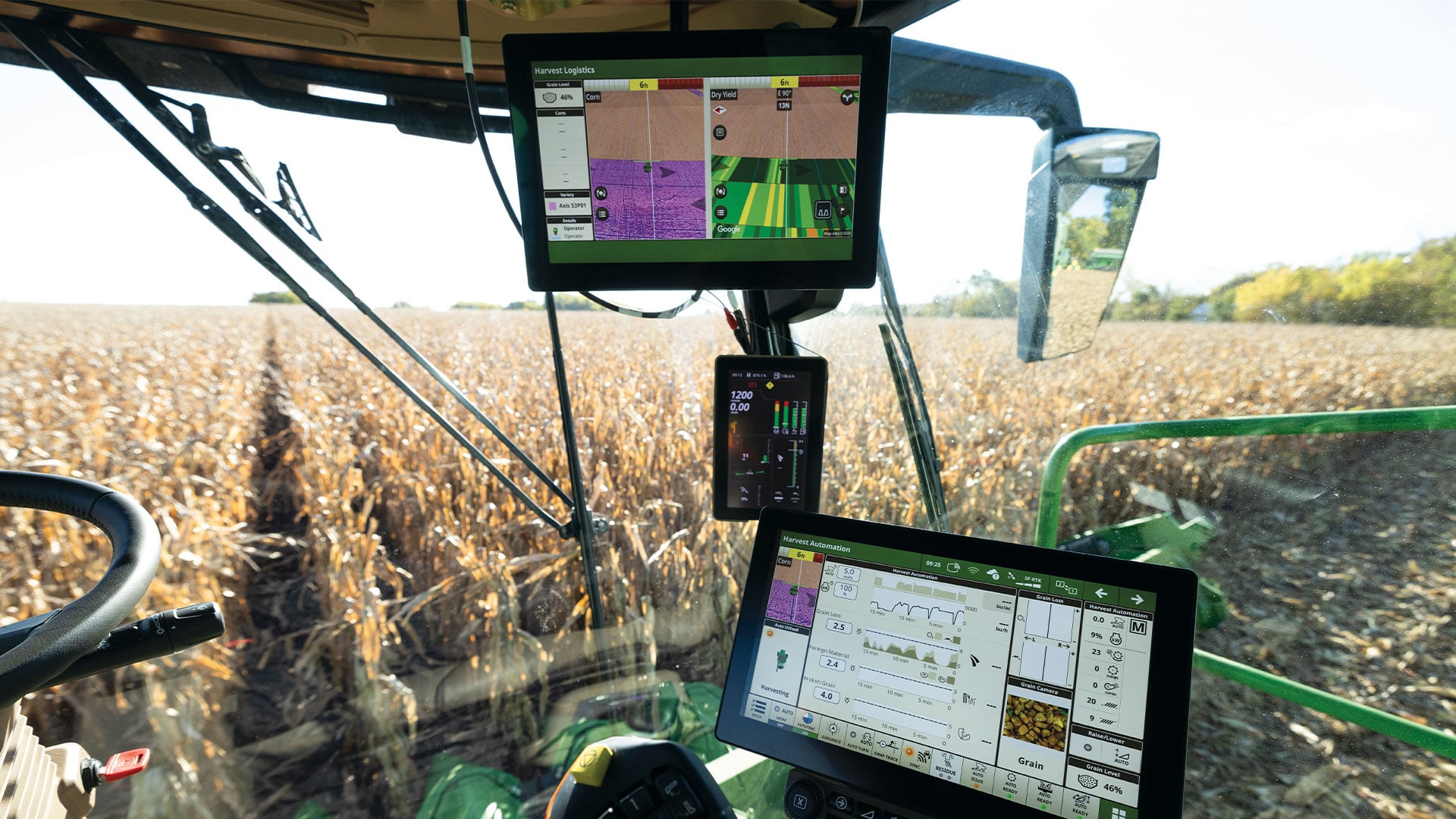
Combine Yield Map Calibration: Trustworthy Fall Harvest Data for Spring
Uncalibrated yield data skews next spring's seed and fertility calls. Calibrate mass-flow, moisture, and flow delay so your maps match the field.
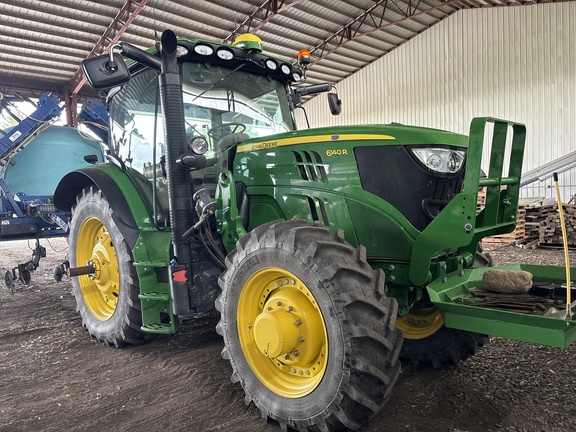
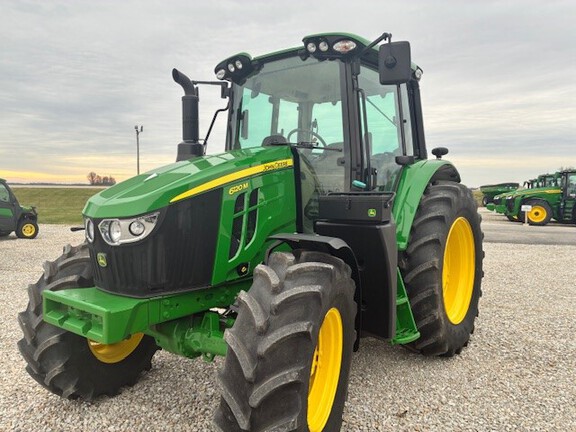
Read the article ›On our lots right now across Ohio and Indiana.
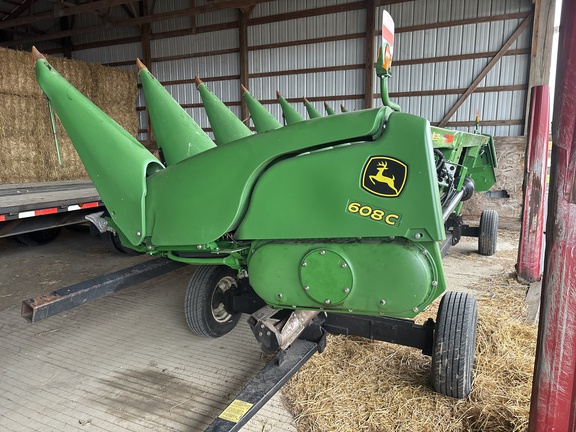
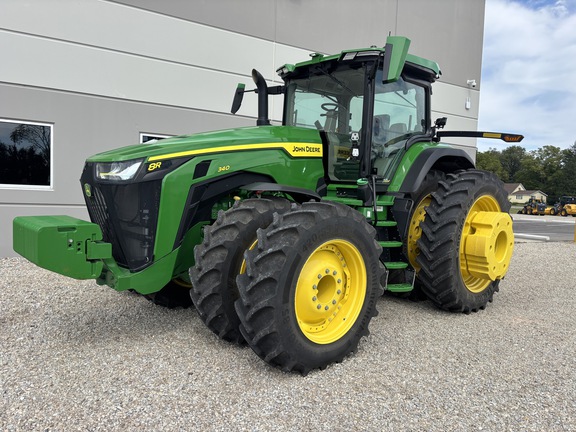

Book Combine Post-Harvest Inspection Now
The shop schedule fills the second the last field is cut. Getting your inspection on the books while you are still running means winter work, not spring panic.
Book Combine Post-Harvest Inspection Now ›Address the Problems You Nursed Through
That noisy bearing or weeping hose you babied to the end of harvest will not fix itself over winter. Tell us about it before it leaves your memory.
Address the Problems You Nursed Through ›Winterize Before the First Hard Freeze
Coolant checks, fuel treatment and battery testing matter now that Ohio and Indiana nights are dropping below freezing. Diesel gels fast when you are not ready.
Winterize Before the First Hard Freeze ›Concaves, Sieves and Wear Parts
Finishing beans and corn grinds down threshing components. Order replacements now so the machine goes into the shed ready instead of needing parts in March.
Concaves, Sieves and Wear Parts ›Winter Fuel Additive and Filters
Treat tanks and swap fuel filters before cold snaps hit. Gelled fuel in a grain cart or truck stops everything at the worst possible hour.
Winter Fuel Additive and Filters ›Batteries and Block Heater Cords
Cold mornings expose weak batteries and cracked cords on tractors and trucks. Test now while you can still get what you need off the shelf.
Batteries and Block Heater Cords ›Open roles at our stores across Ohio and Indiana.
Running Alongside You Through the Last Acres
Our stores across Ohio and Indiana keep extended harvest hours and roll service trucks to the field when a machine goes down. We know an idle combine in late October costs more than the repair.
Find a locationWhen should I schedule a combine inspection after harvest?
As soon as you finish, or even before. Shops across Ohio and Indiana book solid through winter, and early machines get first pick of the schedule.
What corn moisture is safe for long-term storage?
Shelled corn is generally stored around 15 percent for winter and drier for longer holding. Check bins regularly as temperatures swing this time of year.
Should I store my combine with a full fuel tank?
Yes. A full tank cuts condensation and rust in the tank over winter. Add a stabilizer and change the fuel filters before it sits.